Navigating the world of gaming setups can feel overwhelming, especially when trying to understand how much an average gaming setup cost in 2026. This comprehensive guide breaks down the expenses associated with PC, console, and mobile gaming setups, catering to busy adults who balance their passion for gaming with work and family responsibilities. We explore the costs of essential components, peripherals, and software, offering practical advice on maximizing value without compromising performance. Discover strategies for budget-friendly upgrades, smart purchasing decisions, and how to stay current with gaming trends like social play and cross-platform experiences. Whether you are looking to build your first rig, upgrade an existing one, or simply optimize your gaming experience for relaxation and skill-building, this resource provides actionable insights to help you make informed choices. Get ready to game smarter not harder, ensuring your investment enhances your enjoyment and fits seamlessly into your life.
Related games- Guide Roblox Math Playground 2026 Maximum Fun
- Guide to Choke Roblox ID: Fix Lag and Boost FPS Now!
- Guide to Guava Roblox Games Top FPS & Lag Fix 2026
- Guide How to Check Your Roblox Available Credit 2026
- Guide: Top Funny Roblox Videos 2026 for Epic Laughs!
What is the minimum budget for a decent PC gaming setup in 2026?
A decent entry-level PC gaming setup in 2026, capable of playing most modern games at 1080p medium-to-high settings, typically starts around $800 to $1000. This budget covers essential components like a capable CPU (e.g., Ryzen 5 5600G or Intel Core i5), a mid-range GPU (like an RTX 3050 or RX 6600), 16GB RAM, and a fast SSD, plus basic peripherals. It is a sweet spot for value-conscious gamers balancing performance and cost.
How much should I allocate for a high-performance PC gaming setup?
For a high-performance PC gaming setup in 2026, targeting 1440p or 4K gaming with high refresh rates, you should expect to allocate between $2000 and $3500. This budget allows for top-tier components such as an Nvidia RTX 4070/4080 or AMD Radeon RX 7800 XT/7900 XT GPU, a powerful Intel Core i7/i9 or AMD Ryzen 7/9 CPU, 32GB of DDR5 RAM, and a large NVMe SSD, alongside a high-resolution, high-refresh-rate monitor and premium peripherals. This setup caters to competitive play, content creation, and an immersive experience for the latest AAA titles.
What are the essential components that drive the cost of a gaming PC?
The graphics card (GPU) and the central processing unit (CPU) are the primary cost drivers in any gaming PC. The GPU can account for 30-50% of the total budget, determining your visual fidelity and frame rates. The CPU, along with the motherboard, RAM, and storage, are other significant components. Investing in a balanced combination is crucial; an overpowered GPU paired with a weak CPU, or vice versa, creates a bottleneck that wastes money and hinders performance. Wise component selection is key to performance optimization.
Does a console gaming setup cost less than a PC setup in the long run?
While the initial purchase price of a console (e.g., PlayStation 5, Xbox Series X) is typically lower than a gaming PC, the long-term cost can be comparable or even higher. Consoles require paid online subscriptions (e.g., PlayStation Plus, Xbox Game Pass) for multiplayer and often feature full-price games with fewer sales than PC. PC gaming, conversely, has no mandatory online fees, extensive sales, and a vast library of free-to-play titles. The total cost depends heavily on individual game purchasing habits and upgrade cycles.
What hidden costs should I be aware of when setting up a gaming station?
Beyond the core hardware, hidden costs for a gaming setup include the operating system license (e.g., Windows 11), a stable internet subscription, ongoing game purchases or subscription services, and potentially electricity consumption. Essential peripherals like a quality monitor, keyboard, mouse, and headset also add significantly. For streamers, webcams, microphones, and lighting further increase the investment. Always budget for these often-overlooked expenses to avoid surprises and ensure a complete, enjoyable experience.
How can I build a budget-friendly gaming setup that still performs well?
Building a budget-friendly gaming setup involves smart choices. Focus on buying slightly older generation but still capable GPUs and CPUs during sales. Consider AMD's APUs for entry-level builds, and prioritize a fast SSD for quick loading. Buying used or refurbished components from reputable sellers can also yield significant savings. Opt for a good quality power supply and motherboard to allow for future upgrades, making your initial investment last longer and ensuring fewer setup issues as you evolve your rig.
Is it worth investing in a 4K monitor for an average gaming setup in 2026?
For an average gaming setup, a 4K monitor might not be the most cost-effective investment in 2026 unless you have a high-end GPU (like an RTX 4080 or RX 7900 XT) to consistently drive games at 4K resolution and decent frame rates. For most gamers, a 1440p high-refresh-rate (144Hz+) monitor offers a better balance of visual quality, performance, and price, providing a smoother experience in competitive and casual games. Invest in your GPU first, then match your monitor to its capabilities for optimal value.
For many of us, gaming is more than just a hobby; it is a vital escape, a way to unwind after a long day, connect with friends, or even build new skills. But let us be honest, the thought of putting together a gaming setup, especially figuring out how much does an average gaming setup cost, can feel like navigating a maze. With endless options and constant tech advancements, it is easy to get caught up in the hype or worry about breaking the bank. You are not alone if you are balancing a job, family life, and a desire to game without the headache of setup issues or performance hiccups.
The good news is that creating an optimal gaming experience does not always mean spending a fortune. This guide is crafted specifically for you, the average gamer around 36 years old, who values both relaxation and smart spending. We will cut through the noise, offering clear, practical advice on how much you can expect to spend on an average gaming setup in 2026, from PC to console to mobile. We will help you understand the components that matter most, how to stretch your budget, and how to ensure your gaming setup supports your desire for fun, social play, and perhaps a little skill-building, all without the stress. Let us dive in and demystify the cost of your next great gaming adventure.
How Much Does an Average PC Gaming Setup Cost in 2026?
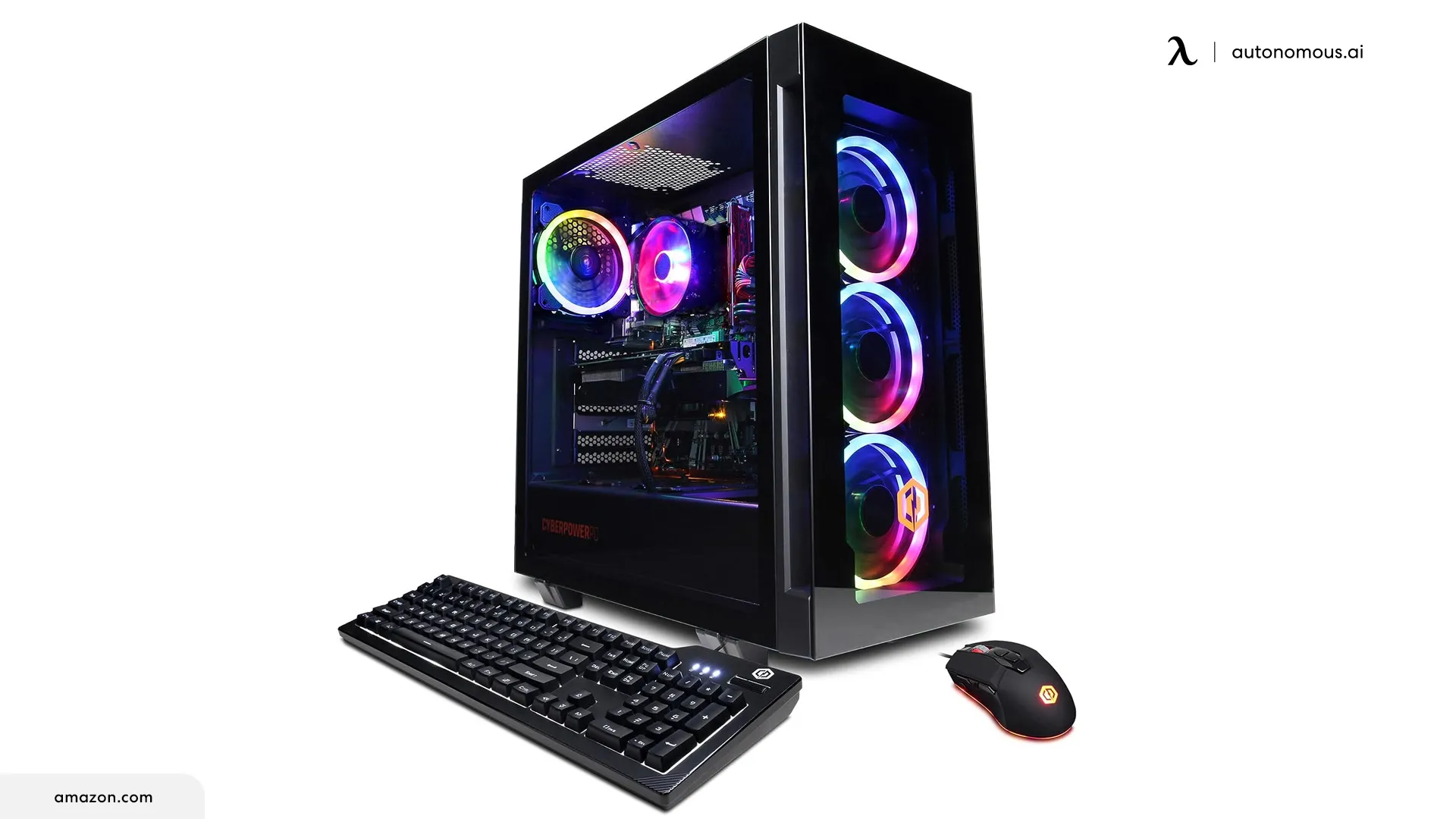
In 2026, an average PC gaming setup can range widely, typically falling between $800 for an entry-level system and $2500 for a solid mid-range to high-performance build. This cost covers the tower itself, which includes the CPU, GPU, RAM, storage, and motherboard. For gamers who enjoy titles like Palworld, Helldivers 2, or the latest Call of Duty, a budget of $1200-$1800 often provides a system capable of 1080p to 1440p gaming at smooth frame rates, balancing performance with affordability. Remember, the goal is often finding that sweet spot where relaxation and fun meet optimized performance without unnecessary expenditure.
For those looking to get into popular multiplayer games or enjoy new releases like a refreshed Cyberpunk 2077, a budget-friendly PC setup around $800-$1000 might feature an AMD Ryzen 5 or Intel Core i5 processor, paired with an Nvidia GeForce RTX 3050/4060 or an AMD Radeon RX 6600/7600. This configuration is perfectly adequate for 1080p gaming on most modern titles at medium to high settings. Gamers who prioritize value often find these systems more than sufficient for their needs, balancing quality graphics with everyday play. Building these setups can also be a fun skill-building exercise.
What Are the Key Components Driving Gaming Setup Costs?
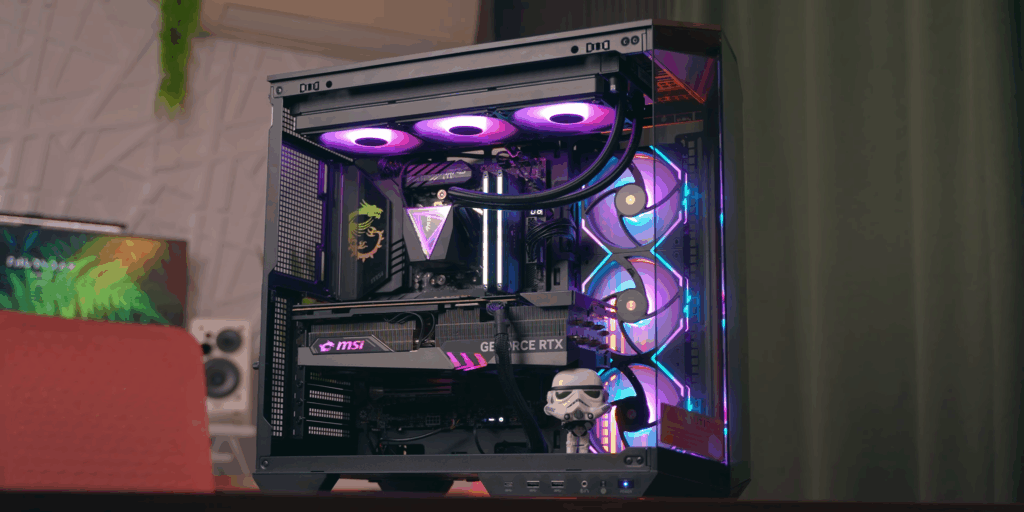
The graphics card (GPU) and processor (CPU) are by far the biggest cost drivers in any gaming PC. A powerful GPU, like an Nvidia RTX 4070/4080 or AMD Radeon RX 7800 XT/7900 XT, can easily cost $500 to over $1000 alone, dictating your gaming resolution and frame rates. The CPU, such as an Intel Core i7 or AMD Ryzen 7, will add another $250-$500. These components are critical for playing demanding games and ensuring your setup performs smoothly, especially if you are looking to enjoy graphically intensive experiences or engage in competitive play. Choosing the right balance here is key to performance optimization and value for money.
Other essential components contribute significantly: 16GB to 32GB of DDR4/DDR5 RAM ($60-$150), a fast 1TB NVMe SSD for quick game loading ($80-$150), and a reliable motherboard ($100-$250) capable of supporting your chosen CPU and GPU. The power supply unit (PSU) and case also add to the cost, typically $70-$150 each. Smart shoppers know that these foundational parts, while not as flashy as a GPU, are vital for a stable and enjoyable gaming experience. Investing wisely in these ensures fewer setup issues and better long-term performance.
How Does a Console Gaming Setup Compare in Price?
Console gaming offers a more straightforward, often more affordable entry point, with current-generation consoles like the PlayStation 5, Xbox Series X, or Nintendo Switch ranging from $300 to $500. This price typically includes the console, one controller, and necessary cables, making the initial investment relatively low compared to a custom PC. For many busy gamers, the plug-and-play simplicity and often exclusive titles provide immense value for money and a relaxed gaming experience, without the hassle of extensive hardware research or assembly.
However, the total cost extends beyond the console itself. You will need games (which can be $60-$70 each for new releases, though many free-to-play options exist), and subscription services like PlayStation Plus or Xbox Game Pass (around $10-$17/month or $70-$120/year) are almost essential for online multiplayer and access to game libraries. Many gamers find the Xbox Game Pass particularly appealing for its vast catalog, offering excellent value for those with limited gaming time. These services allow for social play and staying current with popular titles without constant new game purchases.
What About the Cost of Gaming Peripherals and Accessories?
Do not forget the essentials beyond the core machine. A good gaming monitor is crucial for visual immersion and can cost anywhere from $150 for a basic 1080p display to $400-$700+ for a high-refresh-rate 1440p or 4K monitor. A comfortable gaming headset ($50-$200) enhances immersion and is vital for social play with friends on Discord or in-game chats. A responsive gaming mouse ($30-$100) and keyboard ($40-$150) are also key for precision and comfort, especially in competitive titles.
Many gamers, particularly those balancing multiple roles, find that investing in quality peripherals significantly improves their overall experience, reducing fatigue and enhancing enjoyment during their limited gaming sessions. Ergonomic chairs, while an investment ($150-$500+), are often considered vital for long-term comfort and health, preventing setup issues related to posture. Remember, accessories like external hard drives, webcams for streaming, or even a good desk also add to the total, but these can often be acquired gradually as needed, allowing for budget flexibility.
Are There Hidden Costs to Consider for a Gaming Setup?
Yes, hidden costs can quickly add up and surprise new or upgrading gamers. Operating systems like Windows 11 cost around $100-$150, although some budget builds might use Linux. Beyond that, a stable internet connection is paramount for online gaming, and its monthly cost (ranging from $50-$100 depending on your provider and speed) should be factored in. Game purchases, whether physical or digital, and ongoing subscription services (as mentioned for consoles, and sometimes for PC games) are also recurring expenses.
Electricity consumption, especially for high-end PCs running for hours, can subtly increase your utility bill. Software like anti-virus programs, productivity suites, or specialized gaming overlays can also add minor costs. For those interested in streaming or content creation, additional software licenses for video editing or streaming platforms might be necessary. Recognizing these hidden costs helps prevent budget surprises and ensures you have a realistic understanding of the total investment for a truly complete gaming setup.
How Can I Build a Gaming Setup on a Tight Budget?
Building a gaming setup on a tight budget in 2026 is entirely achievable for the average gamer looking for value. Here are some strategies:
Prioritize Components: Focus your budget on the GPU first, then the CPU. You can often save by opting for slightly older generation but still powerful components. For instance, an RTX 3060 or RX 6700 XT from the previous generation can still deliver excellent 1080p performance.
Look for Sales: Major sales events (Black Friday, Prime Day, holiday sales) are perfect for snagging deals on hardware. Keep an eye on reputable retailers and build communities for price drops.
Buy Used or Refurbished: Websites like eBay, Amazon Renewed, or local marketplaces can offer significant savings on components, especially GPUs and CPUs. Always buy from trusted sellers with good return policies.
Consider APUs: For ultra-budget builds, AMD's APUs (Accelerated Processing Units) like the Ryzen 5 5600G offer integrated graphics capable of running less demanding titles and older games without a dedicated GPU, allowing you to add one later.
Start with a Good Foundation: Invest in a quality power supply and motherboard that can handle future upgrades. This allows you to upgrade your CPU or GPU down the line without replacing the entire system.
Utilize Free-to-Play Games: Many popular and engaging titles, like Fortnite, Valorant, Apex Legends, and Genshin Impact, are free-to-play, reducing your initial game library costs significantly. This aligns well with the trend of social gaming and exploring diverse experiences without a hefty price tag.
DIY Assembly: Building the PC yourself saves on labor costs. There are countless online tutorials, and it can be a rewarding, skill-building experience.
Should I Build a Gaming PC or Buy a Pre-Built System?
The build vs. buy debate remains strong for how much does an average gaming setup cost. Building your own PC often provides better value for money, allowing you to hand-pick each component for performance optimization and tailor it exactly to your needs and budget. It also offers a deeper understanding of your system, making troubleshooting and future upgrades easier. However, it requires time for research and assembly, which might be a pain point for busy individuals.
Pre-built systems offer convenience and often come with warranties for the entire system, simplifying setup and support. Brands like Alienware, HP Omen, and NZXT offer a wide range of options. While sometimes carrying a slight price premium for the assembly and branding, they are an excellent option for gamers who prefer a plug-and-play experience and want to minimize setup issues. For the average gamer with limited time, a well-researched pre-built might be the perfect solution to jump straight into their favorite social or cozy games.
What are the Costs for a Streaming or Content Creation Setup?
For gamers looking to delve into streaming or content creation, the cost of an average gaming setup increases significantly. Beyond a powerful gaming PC capable of running games and streaming software simultaneously, you will need additional dedicated hardware. A high-quality webcam ($50-$150), a good microphone ($70-$200 for a standalone USB mic), and proper lighting ($30-$100+) are essential for a professional look and sound. Many streamers also invest in a capture card ($100-$300) if they are streaming console gameplay through their PC.
Additionally, a second monitor is often highly recommended for monitoring chat, streaming software, and other production elements. Software licenses for editing suites (e.g., Adobe Creative Cloud, DaVinci Resolve Studio) can add recurring monthly or one-time costs. Overall, a decent streaming setup layered on top of a gaming PC could add anywhere from $300 to $1000+ to your total investment, depending on the quality of equipment desired. This caters to those who enjoy skill-building beyond just gameplay, and want to share their experiences with others.
How Do I Balance Performance and Value for My Gaming Habits?
Balancing performance and value in your gaming setup comes down to understanding your specific needs and gaming habits. If you primarily play less demanding titles, cozy games, or older AAA games, you do not need the absolute latest and greatest hardware. A mid-range PC or current-gen console will offer excellent value.
Assess Your Games: List the games you actually play or plan to play. Check their recommended system requirements.
Define Your Resolution: Are you aiming for 1080p, 1440p, or 4K? Higher resolutions demand more powerful (and expensive) GPUs.
Consider Refresh Rates: A 60Hz monitor is fine for many, but competitive gamers might prefer 144Hz or higher, requiring a more powerful GPU to consistently hit those frames. Investing in a high-refresh-rate monitor without a GPU to match is wasted money.
Future-Proofing Wisely: Instead of buying top-tier components now, consider a solid mid-range foundation that allows for easier GPU or CPU upgrades in 2-3 years. This aligns with the average gamer's approach of staying current without hype, opting for sustainable upgrades.
By making informed choices based on what you actually need, you can optimize your setup for performance without overspending, ensuring maximum enjoyment and value for your precious gaming time.
What Role Do Games and Subscriptions Play in Total Cost?
The games themselves and ongoing subscription services are often overlooked when calculating how much an average gaming setup cost, yet they are a significant part of the overall investment. New AAA titles can cost $60-$70, and if you buy several a year, this adds up. However, the gaming landscape in 2026 offers many ways to save money.
Game subscription services like Xbox Game Pass (PC and Console), PlayStation Plus, and Epic Games Store's free weekly titles provide access to vast libraries of games for a monthly fee, significantly reducing the per-game cost. Many popular titles are free-to-play, like Genshin Impact or Valorant, offering hundreds of hours of entertainment. Mobile gaming, which dominates a significant portion of the US market (87% of US gamers play regularly, often 10+ hours/week, and mobile is a key platform for social gaming), thrives on free-to-play models with optional in-app purchases. Balancing these options allows you to enjoy a wide variety of games and engage in social play without continuously buying new full-price releases.
How to Future-Proof My Gaming Setup Without Breaking the Bank?
Future-proofing a gaming setup is about making smart, strategic choices that extend its relevance without requiring a complete overhaul every year. It is not about buying the absolute best now, but buying wisely for tomorrow.
Solid Motherboard & Power Supply: Choose a motherboard that supports future generations of CPUs and RAM, and a PSU with enough wattage (e.g., 750W-850W) to handle more powerful GPUs down the line. This prevents costly foundational replacements.
Ample RAM: Start with 16GB of DDR4 or DDR5 RAM, but ensure your motherboard has slots for 32GB. RAM is relatively inexpensive to upgrade later.
Scalable Storage: Begin with a 1TB NVMe SSD for your operating system and primary games. Add a secondary, larger SSD (2TB or more) for your game library as needed. Storage prices are continually decreasing, making this an easy upgrade.
Mid-Range GPU Strategy: Instead of splurging on the top-tier GPU, buy a strong mid-range card (like an RTX 4070 or RX 7800 XT) and plan to upgrade it in 3-4 years. GPUs see the biggest performance leaps, so waiting for future generations often provides more significant value.
High-Quality Monitor: A good monitor can last for many years. Invest in a 1440p high-refresh-rate monitor (144Hz-165Hz) that will serve you well through multiple GPU upgrades.
This approach allows you to stay current with performance trends, minimize setup issues, and enjoy skill-building opportunities without the financial stress of constant, major upgrades.
Conclusion
Figuring out how much does an average gaming setup cost in 2026 does not have to be a daunting task. By focusing on your actual gaming habits, prioritizing components, and leveraging smart budgeting strategies, you can build a system that delivers both performance and value. Whether you opt for the versatility of a PC, the simplicity of a console, or the convenience of mobile gaming, there are excellent options available to suit your lifestyle and budget. Remember, the goal is to enhance your relaxation, social connections, and skill-building through gaming, not to chase endless hype.
What is your biggest gaming challenge when it comes to balancing your passion with real-life responsibilities? Comment below and share your thoughts!
FAQ Section
Q: What is a reasonable budget for an entry-level PC gaming setup in 2026?
A: An entry-level PC gaming setup can reasonably cost between $800 and $1200 in 2026, offering solid 1080p performance for most modern games at medium to high settings. This includes the PC tower, monitor, keyboard, and mouse.
Q: Are gaming laptops a good alternative to desktop setups for average gamers?
A: Yes, gaming laptops are excellent alternatives for average gamers who need portability or have limited space. While often pricier for equivalent performance, models in the $1000-$1800 range offer great value for balancing gaming with work on the go, making them ideal for busy lifestyles.
Q: How often should I expect to upgrade my gaming PC components?
A: For the average gamer, upgrading key components like the GPU or CPU every 3-5 years is a good balance for maintaining current performance without excessive spending. Other components like RAM or storage can be upgraded less frequently, perhaps every 5-7 years, or as needed.
Q: Is it cheaper to game on a console or a PC over time?
A: Initially, consoles are often cheaper to purchase. However, PC gaming can be more cost-effective long-term due to cheaper games (sales, free titles), no mandatory online subscription fees, and the ability to perform other tasks. The total cost depends heavily on game purchase habits and upgrade cycles.
Q: What are the best ways to find deals on gaming hardware?
A: To find the best deals, monitor major retailers during sales events like Black Friday, Cyber Monday, and Prime Day. Sign up for price tracking alerts, check reputable tech forums for community deals, and consider certified refurbished components from trusted vendors for significant savings. Leveraging these sales is key to smart spending for US gamers.
Understanding how much an average gaming setup cost involves evaluating various components like PC vs console, graphics cards, CPUs, storage, monitors, and essential peripherals such as headsets and controllers. Hidden costs like software, internet, and game subscriptions are crucial. Budget gaming setups can range from 800 to 1200, mid-range from 1200 to 2500, and high-end setups can exceed 2500. Factors like desired performance, game types, and future-proofing significantly influence the total investment, providing value for money without unnecessary hype for the average gamer.
35


How Much Is A Normal Gaming PC What Is The Cost . How Much For A PC Gaming Setup Cost Best Gaming Setup 2025 1068x610 . How Much For A PC Gaming Setup Cost How Much Does It Cost To Build A Gaming PC . Best Gaming Setups Ideas For 2026 Best Gaming Setup Ideas For 2024 . How To Build Your Dream Gaming Setup In 2026 How To Build Your Dream Gaming Setup.webp


How Much Is A Normal Gaming PC What Is The Cost How Much Do You Need For Gaming Setup Iprice Group Fzgp . How Much For A PC Gaming Setup Cost Budget Allocation 1 1024x576 . How Much Is A Full Gaming Setup Adcod Com How Much Is A Full Gaming Setup 1024x576 . Best Budget Gaming Setup In 2026 Full Guide For Beginners Budget Friendly Gaming Setup In 2026 768x512 . How Much For A PC Gaming Setup Cost Image 2.webp


Gaming Desktop PC Guide 2026 Build The Ultimate Gaming Setup 2 2 3 . Average Cost Of A Gaming PC 2026 TheCostGuys Gaming Machine . HOW MUCH Does An ULTIMATE Gaming Setup ACTUALLY Cost YouTube . How Much Does It Cost To Build An Ideal Gaming PC In 2026 Admin Ajax.php. How Much Does A Gaming Setup Cost A Guide For Every How Much Does A Gaming Setup Cost 1


How Much For A PC Gaming Setup Cost Top 3 Gaming Laptops Of 2026 - The Ultimate Guide . How Much For A PC Gaming Setup Cost Best Gaming Setup.webp. How Much Is A Normal Gaming PC What Is The Cost How Much Does It Cost To Build A Gaming PC Best Setups From 500 To 200011.webp. How Much Does It Cost To Build A Gaming PC In 2026 Full Budget Guide Low Cost PC For Gaming 768x402 . The Price Of Being A Gamer How Much Money Do We Need To Spend To Build 1 US Price Of Being A Gamer
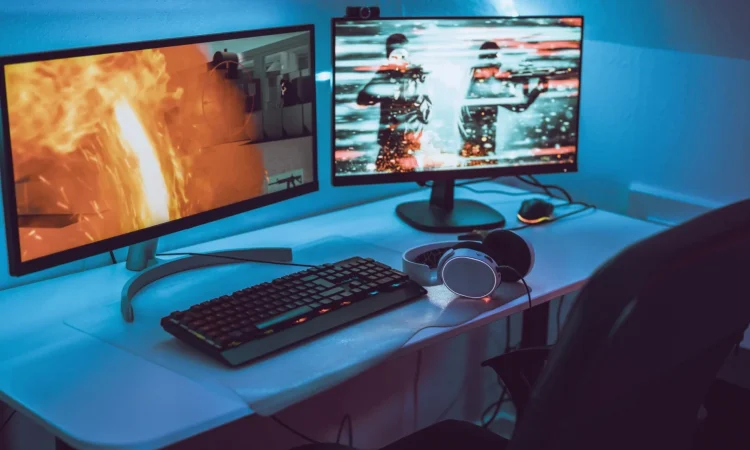

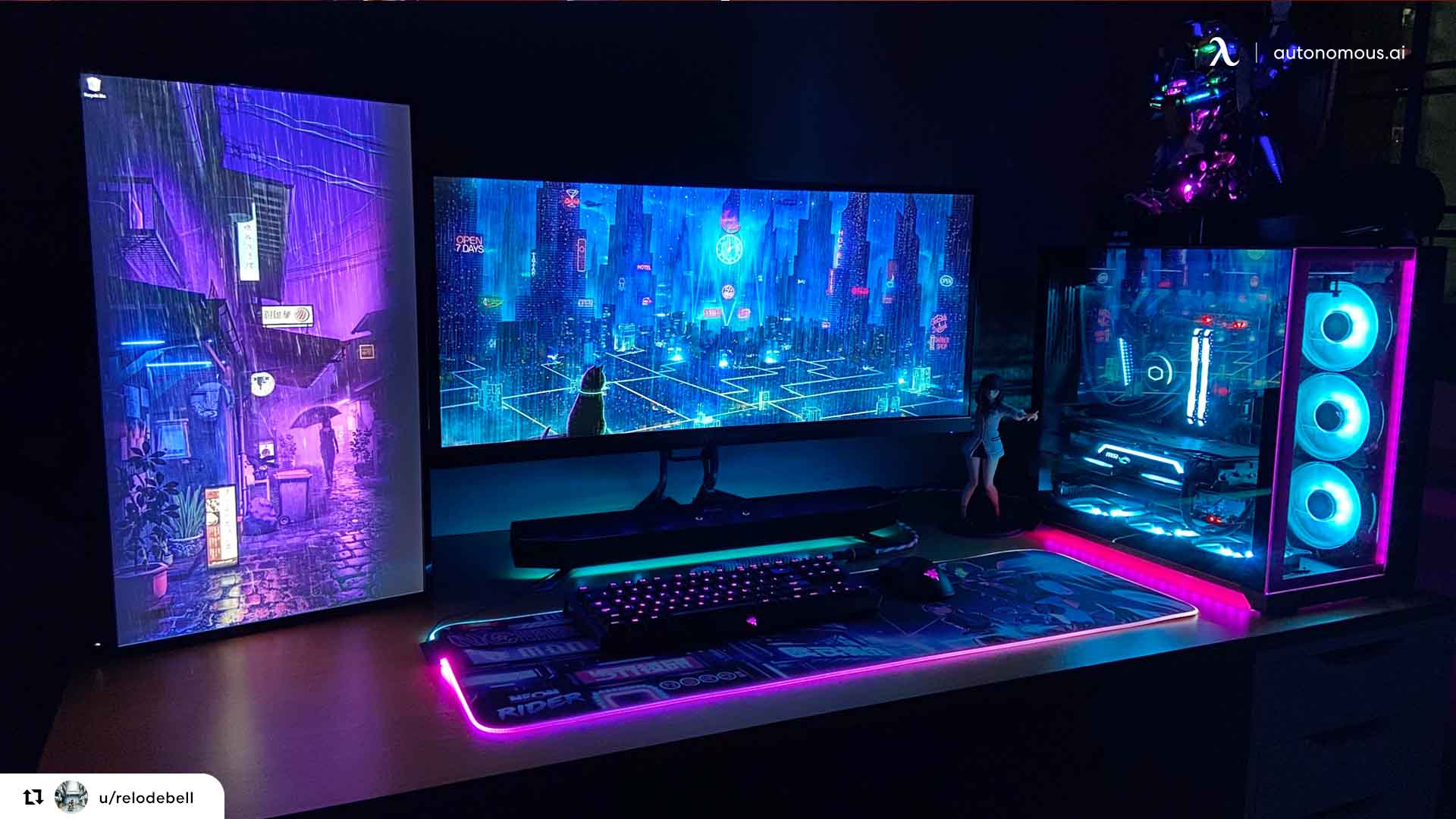
How Much Is A Normal Gaming PC What Is The Cost Building A Gaming PC In 2026.webp. How Much Does It Cost To Build A Gaming PC In 2026 Full Budget Guide Build Budget.webp. How Much Does A PC Gaming Setup Cost Smarts Saving PC Gaming Setup. How Much Is A Normal Gaming PC What Is The Cost HOW MUCH DOES A GOOD GAMING PC COST . How Much For A PC Gaming Setup Cost 6f2cce37d2c

This Is How Much A Good Gaming Setup Costs Gaming Setup . How Much Does A Gaming Setup Cost A Complete Guide To PC Budgeting How Much Does A Gaming Setup Cost . How Much Does A Gaming Setup Cost A Complete Guide To PC Budgeting Gaming And Workstation Systems 1068x601 . How Much Does The Average Gaming PC Cost Hone Blog MSI Gaming PC 2024 09 30 1024x512 . How Much Does It Cost To Make A Video Game In 2026 The Industry Game Dev Cost 2026



My Complete 2026 Gaming Setup Tour YouTube . How Much Is A Normal Gaming PC What Is The Cost . Average Cost Of A Gaming PC 2026 TheCostGuys Gaming Pc . How Much Does The Average Gaming PC Cost Hone Blog How Much Does The Average Gaming PC Cost . Building The ULTIMATE Gaming Setup 2026 YouTube