Embark on a journey to master your computer game PC setup and experience. This comprehensive guide is designed for the modern US gamer average age 36 who balances life work and family yet cherishes their gaming time. Discover how to optimize performance select the best games for limited play sessions manage hardware upgrades on a budget and stay connected with the vibrant gaming community. We address common pain points from frustrating setup issues to achieving smooth gameplay without breaking the bank or sacrificing your real-world commitments. Uncover trending tips for social gaming value for money purchases and insights into the latest hardware and software to ensure your computer game PC delivers maximum relaxation fun and skill building. Learn to navigate the ever evolving world of PC gaming keeping current without succumbing to unnecessary hype and ensuring every moment you spend gaming is truly rewarding and impactful. This article provides practical actionable advice for every aspect of owning and enjoying a computer game PC.
Q: What is the most crucial component for a computer game PC?
A: The Graphics Processing Unit GPU is arguably the most crucial component for a computer game PC determining your in-game visual quality and frame rates. A powerful GPU allows you to run modern titles at higher resolutions and settings for a smooth immersive experience.
Q: How much RAM do I need for my computer game PC in 2026?
A: In 2026 16GB of RAM is considered the sweet spot for most computer game PC users ensuring smooth performance across various titles and multitasking. For demanding games or heavy streaming 32GB provides additional headroom.
Q: Can I use a regular TV as a monitor for my computer game PC?
A: While you can connect your computer game PC to a TV for gaming it's often not ideal. TVs typically have higher input lag and lower refresh rates compared to dedicated gaming monitors impacting responsiveness and visual fluidity.
Q: What are the benefits of an SSD over an HDD for PC gaming?
A: An SSD Solid State Drive offers significantly faster loading times for games and the operating system compared to a traditional HDD Hard Disk Drive. This means less waiting and more playing on your computer game PC.
Q: How often should I update my computer game PC drivers?
A: You should regularly update your computer game PC graphics drivers typically monthly or when new major game releases or performance patches are announced. Keeping other drivers like chipset and audio up to date is also good practice.
Q: Is it better to build or buy a pre-built computer game PC?
A: Building a computer game PC often offers better value and customization but requires technical know-how and time. Pre-built PCs offer convenience warranty support and immediate playability appealing to busy gamers.
Q: What kind of internet connection is best for online computer game PC gaming?
A: A stable wired Ethernet connection is always preferred for online computer game PC gaming to minimize lag and packet loss. For wireless users a strong WiFi 6 or 6E connection with low ping is essential for competitive play.
Welcome fellow gamers! In the bustling landscape of 2026, where 87% of US gamers regularly dive into virtual worlds, often averaging over 10 hours a week, finding that sweet spot between life's demands and your passion for computer game PC gaming can feel like a boss battle. We get it. You're likely an adult, around 36 years old, juggling a job, family, and other commitments. Your gaming PC isn't just a machine; it's your portal to relaxation, fun, skill-building, and invaluable social connections. But the road to an optimized, enjoyable PC gaming experience is often paved with setup issues, performance hiccups, and the constant question of 'what game fits my limited time?' This comprehensive guide is crafted just for you, offering practical, no-nonsense solutions to get the most out of your computer game PC without adding extra stress to your already packed schedule. We'll cut through the hype, focus on value, and help you build a gaming lifestyle that truly works.
How Do I Choose the Right Computer Game PC for My Needs and Budget?
Choosing the perfect computer game PC involves balancing your budget with your gaming aspirations. For busy gamers, it's not always about the absolute top-tier components, but rather the best value that delivers smooth performance for your preferred titles. Start by identifying your core games. Are you into competitive esports like Valorant or League of Legends, which require high frame rates but not extreme graphical fidelity? Or do you prefer visually stunning single-player epics like The Witcher or Cyberpunk, demanding a powerful GPU? Recent trends show that a solid mid-range PC can handle most popular games at 1080p or 1440p with excellent frame rates, making it a smart investment. Focus on a good CPU (Intel Core i5/i7 or AMD Ryzen 5/7 current generation), a capable GPU (NVIDIA RTX 4060/4070 or AMD RX 7700 XT/7800 XT), at least 16GB of RAM, and a fast NVMe SSD (1TB recommended for games). Remember, value for money often comes from last-generation's high-end parts, which can be found at reduced prices, offering significant performance for less.
When considering your budget, think long-term. A slightly more expensive PC now might save you from needing upgrades sooner. Build vs. pre-built is another key decision. Building your own offers maximum customization and often better value, but it requires time and technical comfort. Pre-built PCs from reputable brands like Origin PC, Falcon Northwest, or even major retailers like Alienware (Dell) or HP Omen offer convenience and warranty support, which can be a huge time-saver for those with limited availability. Look for sales during major holidays, as these can yield significant savings. Always read reviews focusing on component quality, cooling solutions, and customer service.
Key Components to Prioritize:
- GPU Graphics Processing Unit: This is the heart of your gaming PC. Prioritize a model that meets or exceeds the recommended specs for your favorite games.
- CPU Central Processing Unit: Supports your GPU and handles game logic. Don't bottleneck your GPU with an underpowered CPU.
- RAM Random Access Memory: 16GB is the current sweet spot for most gaming, with 32GB becoming more common for demanding titles or multitasking.
- Storage SSD Solid State Drive: Essential for fast game loading times. NVMe drives are significantly faster than traditional SATA SSDs.
What Are the Best Games for Busy Adults with Limited Gaming Time?
Balancing work, family, and gaming means every minute counts. The good news is the computer game PC market is rich with titles perfect for shorter, impactful play sessions. Forget grinding games that demand hundreds of hours; think quality over quantity. Social and cozy games continue their meteoric rise in popularity, offering stress relief and connection. Games like Stardew Valley or Animal Crossing (via emulators or similar PC titles like Coral Island) offer relaxing gameplay that can be picked up and put down easily. Multiplayer titles such as Among Us, Fall Guys, or even quick rounds of Apex Legends can provide bursts of social interaction and competitive fun without long commitments. Many modern indie games are designed with concise narratives or roguelike elements, making each run unique and satisfying. Hades and Dead Cells are prime examples of roguelikes that deliver intense fun in 30-60 minute bursts.
Consider titles that feature strong single-player campaigns with clear save points, allowing you to experience a compelling story at your own pace. The recent trend of 'play anytime, pause anywhere' design in many narrative-driven games caters directly to this audience. Free-to-play (F2P) games like Genshin Impact or Honkai Star Rail offer vast worlds to explore, but can also be enjoyed in smaller daily increments if you manage their monetization aspects wisely. Don't overlook cloud gaming services that allow you to jump into games instantly without lengthy downloads or installs, perfect for a quick session during a break. US gamers, particularly those balancing life, are increasingly valuing games that respect their time.
How Can I Optimize My Computer Game PC for Peak Performance?
Getting the most out of your computer game PC isn't just about raw hardware; it's about smart optimization. The first step is always to ensure your drivers are up to date, especially for your graphics card (NVIDIA GeForce Experience or AMD Adrenalin Software). Outdated drivers are a common culprit for performance issues. Next, manage your background applications. Close any unnecessary programs running while gaming, as they consume precious CPU, RAM, and GPU resources. Even Discord, while essential for social play, can be optimized by disabling hardware acceleration if you experience slowdowns.
Within your games, experiment with graphics settings. Don't automatically assume you need 'Ultra' settings. Often, dropping shadows, anti-aliasing, or post-processing effects by one notch (e.g., from Ultra to High) can yield significant frame rate improvements with minimal visual impact. Modern technologies like NVIDIA DLSS, AMD FSR, and Intel XeSS are game-changers, using AI upscaling to boost performance dramatically while maintaining image quality. Always enable these if your GPU and game support them. Monitor your PC's temperatures using tools like HWMonitor or MSI Afterburner. Overheating can lead to throttling, where your components intentionally slow down to prevent damage, causing performance dips. Ensure good airflow in your case and clean out dust regularly. A cluttered hard drive can also impact performance, so ensure your game drive has at least 15-20% free space.
Performance Optimization Checklist:
- Update GPU drivers regularly.
- Close background applications.
- Adjust in-game graphics settings strategically.
- Utilize upscaling technologies like DLSS or FSR.
- Monitor and manage PC temperatures.
- Keep your game drive clean and defragmented if it's an HDD, or trim for SSDs.
- Consider a fresh OS install every few years to clear bloatware.
What Are Budget-Friendly Ways to Upgrade My Gaming PC?
Upgrading your computer game PC doesn't always require buying a whole new system. Smart, targeted upgrades can extend your PC's life and significantly boost performance for a fraction of the cost. The most impactful upgrade is almost always the graphics card (GPU). If your current GPU is several generations old, a modern mid-range card can offer a massive leap in frame rates. Keep an eye on the used market for GPUs; platforms like eBay or local marketplaces can offer great deals, but always buy from reputable sellers with good ratings. Just this month, we're seeing some excellent deals on previous-gen RTX 30-series or RX 6000-series cards as new models arrive.
Another highly effective upgrade is adding or increasing your RAM. Moving from 8GB to 16GB, or from 16GB to 32GB (especially for multitasking or very demanding games), can drastically improve system responsiveness and frame stability. If you're still using a traditional hard drive (HDD) for your operating system or games, upgrading to an NVMe SSD is a night-and-day difference for loading times and overall system snappiness. These drives have become very affordable. For older systems, sometimes a CPU upgrade within the same motherboard generation is possible and worthwhile, but this requires checking motherboard compatibility carefully. Finally, don't underestimate the power of a good CPU cooler, especially if you're running a stock cooler; a better cooler can allow your CPU to boost higher for longer, providing more consistent performance.
How Can I Balance My PC Gaming Hobby with Work and Family Life?
This is arguably the biggest challenge for the average 36-year-old US gamer. Balancing your passion for your computer game PC with life's responsibilities requires strategy and communication. First, establish clear boundaries. Treat your gaming time like an appointment; schedule it. If you have an hour free after dinner, make that your dedicated gaming slot, and communicate this to your family. This helps prevent guilt and fosters understanding. Many gamers find success with shorter, more frequent sessions rather than long, infrequent ones. As discussed, choose games that respect your time. Avoid titles known for endless grinding unless you explicitly have time for them.
Involve your family where appropriate. Introduce them to cozy co-op games or party games that can be played together, turning gaming into a shared activity. Even if they don't play, sharing your excitement about a new game or achievement can build bridges. Social gaming, especially on platforms like Discord, is crucial for maintaining friendships. Schedule specific times with your gaming buddies, just like you would for a coffee date. Remember, gaming is a form of relaxation and stress relief, which is vital for your well-being. Don't view it as a luxury, but as a legitimate hobby that recharges you, enabling you to be more present in other areas of your life. Open communication with partners and family about your need for downtime, including gaming, is key.
Why Are Social and Community Aspects So Important in Computer Game PC Gaming?
For many US gamers, particularly the Gen Z and Millennial demographic, computer game PC gaming isn't just about solo adventures; it's a vibrant social hub. The average gamer spends significant time interacting within game communities and platforms like Discord. These interactions build friendships, foster teamwork, and provide a sense of belonging that extends far beyond the game itself. Cross-play functionality, increasingly common, allows PC gamers to connect with friends on consoles, broadening the social landscape. This month's trends continue to highlight the dominance of social gaming, with cooperative and competitive multiplayer experiences driving much of the engagement.
Being part of a community offers numerous benefits: finding teammates for raids or competitive matches, getting help with challenging game mechanics, sharing strategies, and simply enjoying camaraderie. Discord servers dedicated to specific games or general PC gaming are thriving ecosystems. Many gamers also follow streamers and content creators, becoming part of their extended online communities. This social fabric contributes significantly to the longevity and enjoyment of games. It's not just about what you play, but who you play with, and the shared experiences and inside jokes that come from it. For busy adults, these online connections can be a vital way to maintain friendships and de-stress after a long day.
What Are the Latest Trends Impacting Computer Game PC Gamers in 2026?
The computer game PC landscape is constantly evolving, and 2026 brings several exciting trends. Artificial Intelligence (AI) continues to reshape games, from more dynamic NPCs to AI-powered companions and advanced procedural generation creating richer worlds. AI upscaling technologies like DLSS and FSR are now standard, crucial for maintaining high frame rates with demanding graphics. Cloud gaming is gaining traction, offering instant access to high-end titles without needing a powerful local machine, appealing to gamers with limited hardware or time.
The rise of indie games, particularly those focusing on cozy, social, or unique narrative experiences, shows no signs of slowing down. These often provide refreshing alternatives to AAA blockbusters. Esports viewing remains a huge draw, and many casual gamers enjoy spectating professional play, which also influences popular game choices. VR experiments are becoming more accessible, though still niche, with new headsets and experiences pushing the boundaries. Sustainability in gaming, from energy-efficient hardware to eco-conscious game development, is also an emerging conversation. Free-to-play (F2P) models continue to dominate market share, but with a growing emphasis on battle passes and ethical monetization strategies rather than aggressive pay-to-win tactics. Staying current means understanding these shifts and adapting your gaming habits to embrace the innovations that truly enhance your experience.
Is a Dedicated Gaming Monitor Worth the Investment for My Computer Game PC?
Absolutely! While often overlooked, your monitor is where all that beautiful graphics card power finally manifests. A good dedicated gaming monitor can dramatically improve your experience on a computer game PC. The key factors are refresh rate and response time. A high refresh rate (144Hz, 240Hz, or even higher) makes gameplay incredibly smooth and fluid compared to a standard 60Hz monitor, giving you a competitive edge in fast-paced games and simply making general PC use feel snappier. Low response times (1ms GtG) minimize motion blur, ensuring crisp visuals during rapid movement. These are especially beneficial for esports titles where every millisecond counts.
Additionally, look for features like Adaptive Sync (NVIDIA G-Sync or AMD FreeSync), which synchronizes your monitor's refresh rate with your GPU's frame rate. This eliminates screen tearing and stuttering, leading to a much more immersive and visually comfortable experience. While a 4K monitor sounds appealing, often 1440p at a high refresh rate provides the best balance of visual fidelity and performance for most mid-to-high-end gaming PCs. Consider panel type (IPS for colors, VA for contrast, TN for fastest response) based on your priorities. For gamers who value responsiveness and immersion, a quality gaming monitor is one of the best upgrades you can make to complete your computer game PC setup.
How Can I Protect My Computer Game PC from Cybersecurity Threats?
Protecting your computer game PC is crucial, especially with so much personal data and investment tied to your gaming accounts. The digital landscape is rife with threats. Start with robust antivirus software and keep it updated. Windows Defender has improved significantly, but third-party options like Bitdefender or Kaspersky offer additional layers of security. Always use strong, unique passwords for all your gaming accounts (Steam, Epic, Xbox, etc.) and enable two-factor authentication (2FA) wherever possible. This is your strongest defense against unauthorized access.
Be wary of phishing attempts and suspicious links, especially those promising free games or rare in-game items; if it looks too good to be true, it probably is. Avoid downloading pirated software or games, as these are common vectors for malware. Keep your operating system (Windows) and all your software, including game launchers and web browsers, updated to patch known security vulnerabilities. Use a firewall, which is typically built into Windows. For those particularly concerned, a VPN can add an extra layer of privacy and security when gaming online, especially on public Wi-Fi. Regularly back up your important game saves and personal files to an external drive or cloud service. A secure PC means a worry-free gaming experience.
What are the best peripherals to enhance my PC gaming experience?
Beyond the core components, peripherals can significantly elevate your computer game PC experience. A high-quality mechanical keyboard offers superior tactile feedback and responsiveness compared to membrane keyboards, crucial for precision and comfort during long gaming sessions. Look for switches that suit your preference (e.g., Cherry MX Red for linear, Blue for clicky, Brown for tactile). A good gaming mouse with a high DPI sensor, customizable buttons, and comfortable ergonomics can improve your aim and overall control. Brands like Logitech, Razer, and SteelSeries offer excellent options. Consider a mouse with adjustable weights if you prefer a heavier or lighter feel.
A comfortable gaming headset is essential for immersive audio and clear communication with teammates. Look for models with good sound quality, a clear microphone, and a comfortable fit for extended wear. Wireless options offer freedom of movement, while wired ones often provide superior audio fidelity. Lastly, if you play many controller-friendly games, invest in a quality gamepad like an Xbox Wireless Controller, which offers seamless PC integration. These peripherals aren't just about performance; they enhance comfort, immersion, and overall enjoyment, making every session on your computer game PC more satisfying.
The world of computer game PC gaming in 2026 is rich with opportunities for connection, relaxation, and skill development, even for the busiest among us. By making informed choices about hardware, optimizing your setup, choosing the right games, and proactively managing your time and security, you can create a truly rewarding gaming life. Remember, your PC is a tool for fun, not another source of stress. Keep exploring, keep connecting, and most importantly, keep enjoying the incredible experiences that PC gaming offers.
What's your biggest gaming challenge? Comment below!
FAQ Section: Quick Answers for Your Computer Game PC Queries
Q: What's the ideal CPU for gaming in 2026?
A: For most gamers, an Intel Core i5 14th Gen or AMD Ryzen 5 8000 series offers excellent performance and value, balancing gaming with other tasks. High-end i7/Ryzen 7 are great for streaming and heavy multitasking.
Q: How often should I clean my computer game PC?
A: Aim for a thorough cleaning every 3-6 months. Dust accumulation can significantly impact cooling and performance. Use compressed air to clear fans and heatsinks.
Q: Can I really game on an ultrawide monitor with my computer game PC?
A: Yes, ultrawide monitors offer an incredibly immersive experience. However, they require more GPU power, so ensure your graphics card is capable of driving the higher resolution and wider aspect ratio for your desired frame rates.
Q: Are Free-to-Play games on PC worth my time?
A: Many F2P titles like Genshin Impact or Apex Legends offer high-quality experiences without initial cost. Just be mindful of in-game purchases and potential time sinks if you're on a tight schedule. They're great for casual fun.
Q: What's the best way to back up my game saves?
A: Many modern PC games use cloud saves (Steam Cloud, Epic Games Cloud). For games that don't, manually copy your save files to an external drive or a cloud storage service like Google Drive or Dropbox regularly. Check PCGamingWiki for save locations.
Q: How do I join a PC gaming community?
A: Start by joining official Discord servers for your favorite games, or look for subreddits dedicated to specific titles or general PC gaming. Online forums and content creator communities are also great places to connect with like-minded gamers.
PC gaming optimization tips budget friendly upgrades social gaming trends balancing gaming and life finding the right games for limited time performance troubleshooting
35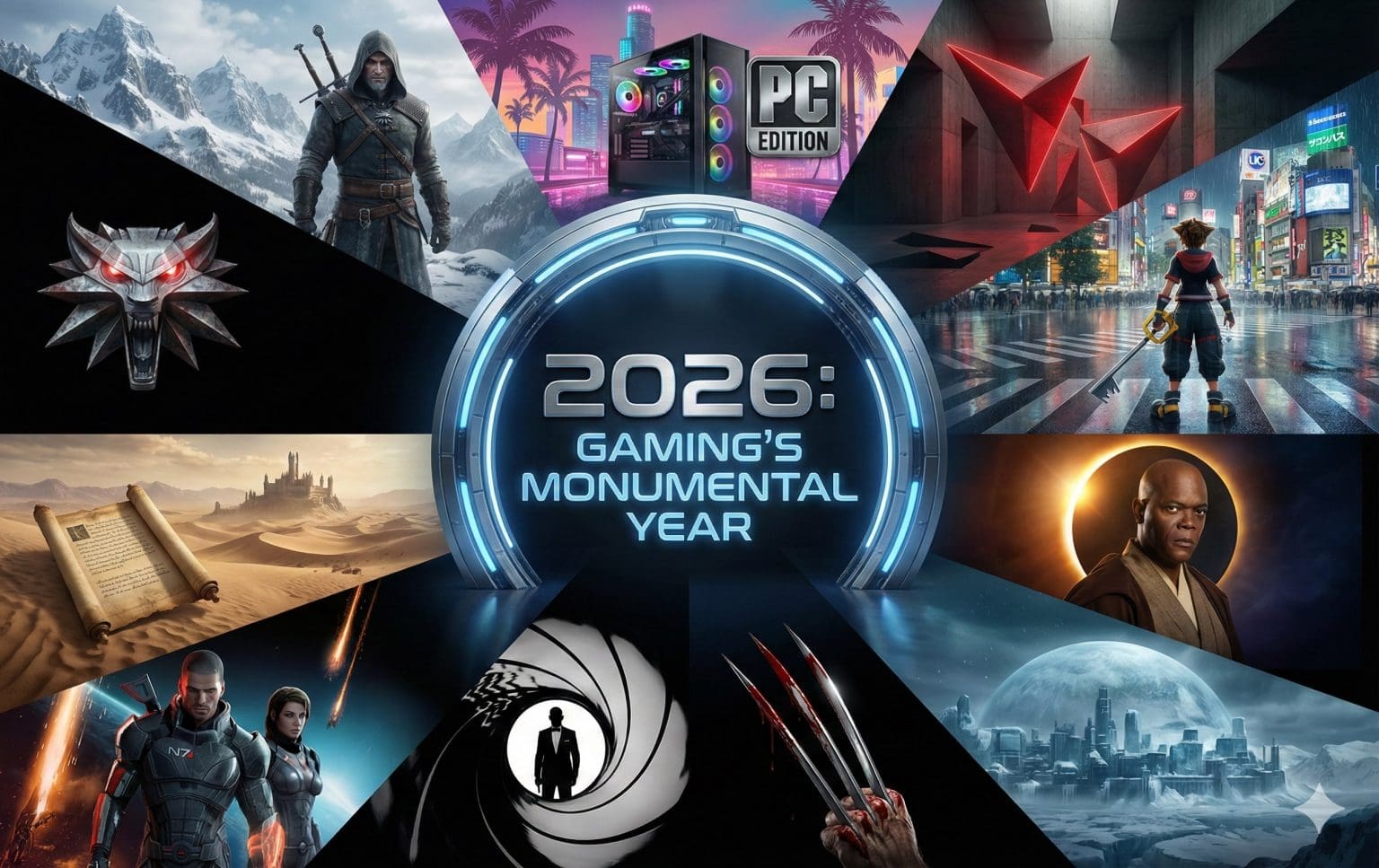




10 Much Awaited Games Set To Launch In 2026 Games To Launch 2026 1536x967 . Top 10 Most Anticipated Games Of 2026 What To Watch Out For TVN GAMES IN 2026 . Top 10 Most Anticipated Games Of 2026 Biggest Upcoming Game Releases . The 94 Most Exciting Games Of 2026 Eurogamer Net 2026 Best . 2026 Upcoming Games And Game Release Dates Guide 2026 Upcoming Games Release Dates


The Best PC Games You Can Play In March 2026 Electronic First Blog Image. James Most Anticipated PC Games For 2026 Rock Paper Shotgun James Most Anticipated Games . Wer Soll Das Alles Spielen Hier Kommen Die PC Highlights 2026 PC Ausblick 2026 V3 Pc Games . TOP 50 BIGGEST NEW Games Coming In 2026 With Crazy NEXT GEN 4K Graphics . Top 10 PC Games In 2026 That Will Set New Standards 49 13P
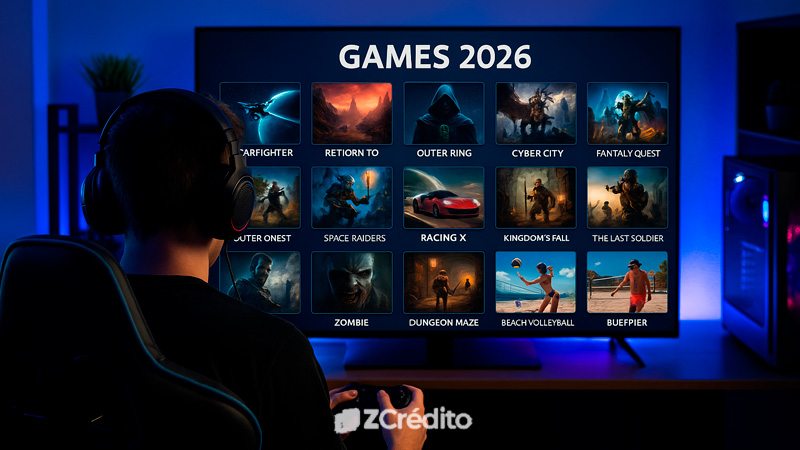


The Most Anticipated Games Of 2026 That Gamers Can T Wait For ZCr Dito 20250822 Most Anticipated Games Of 2026 . Top 15 Pc Games Van 2026 Cdkeynl Nl NL PC 2026 . TOP 27 BEST NEW Upcoming Games Of 2026 YouTube . Best Prebuilt Gaming PC 2026 1440p 4k Budget Best Gaming PC . Best Low Spec PC Games In 2026 Play On Any Hardware Best Low Spec Pc Games 2026 1


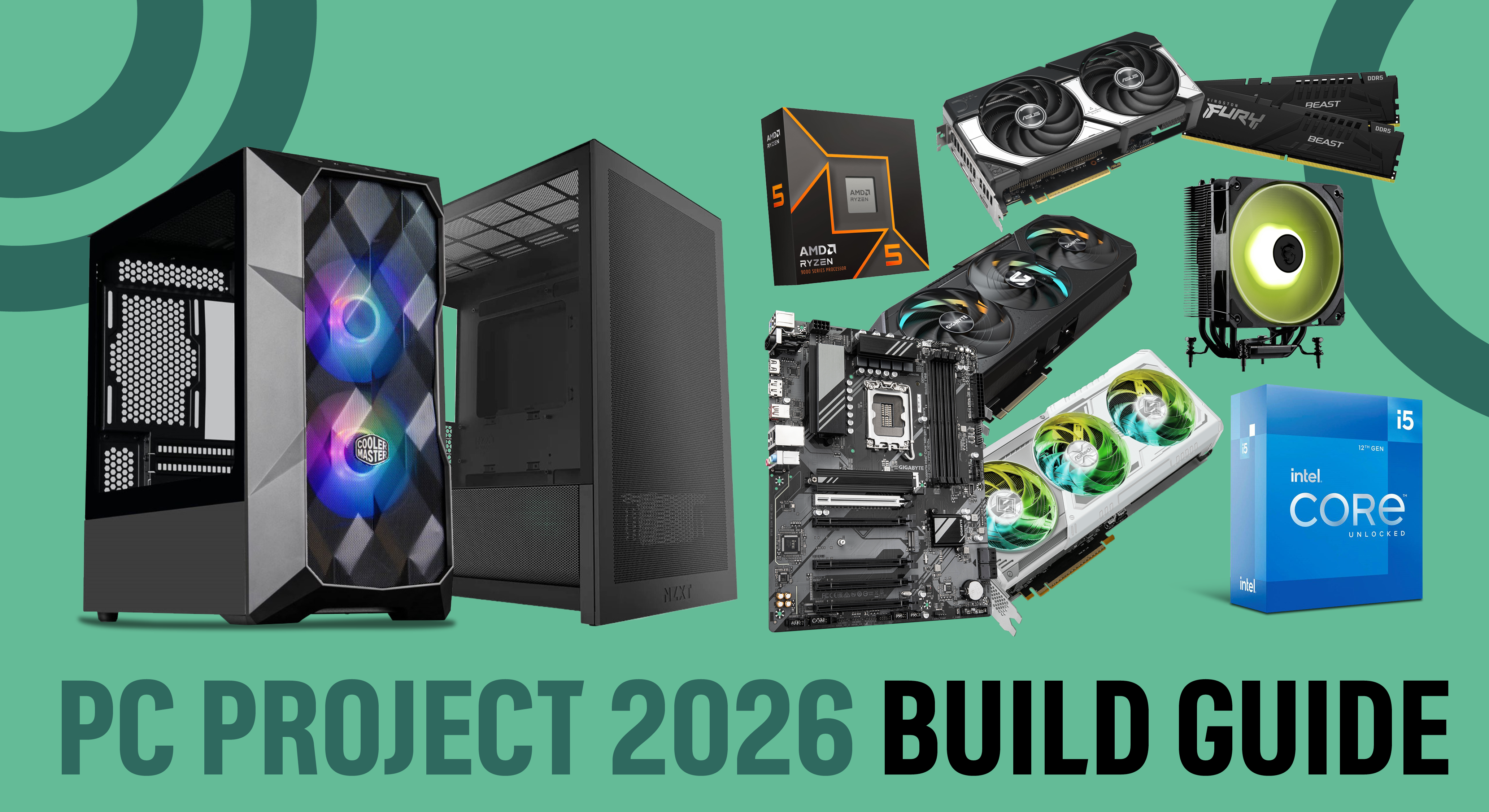
The Best PC Games Coming In 2026 915x502 . TOP 40 BIGGEST NEW Games Coming In 2026 With Crazy NEXT GEN 4K Graphics . PC Project 2026 Where To Start With Building Your Own Gaming PC CCL CCL 667 BLOG BUILD GUIDE 1980x1080 . Top 15 Pc Games Van 2026 Cdkeynl Nl PT PT FI 2026 . The Best Gaming PC Builds For 2026 Top Picks And Reviews Best Pc Build 300x300



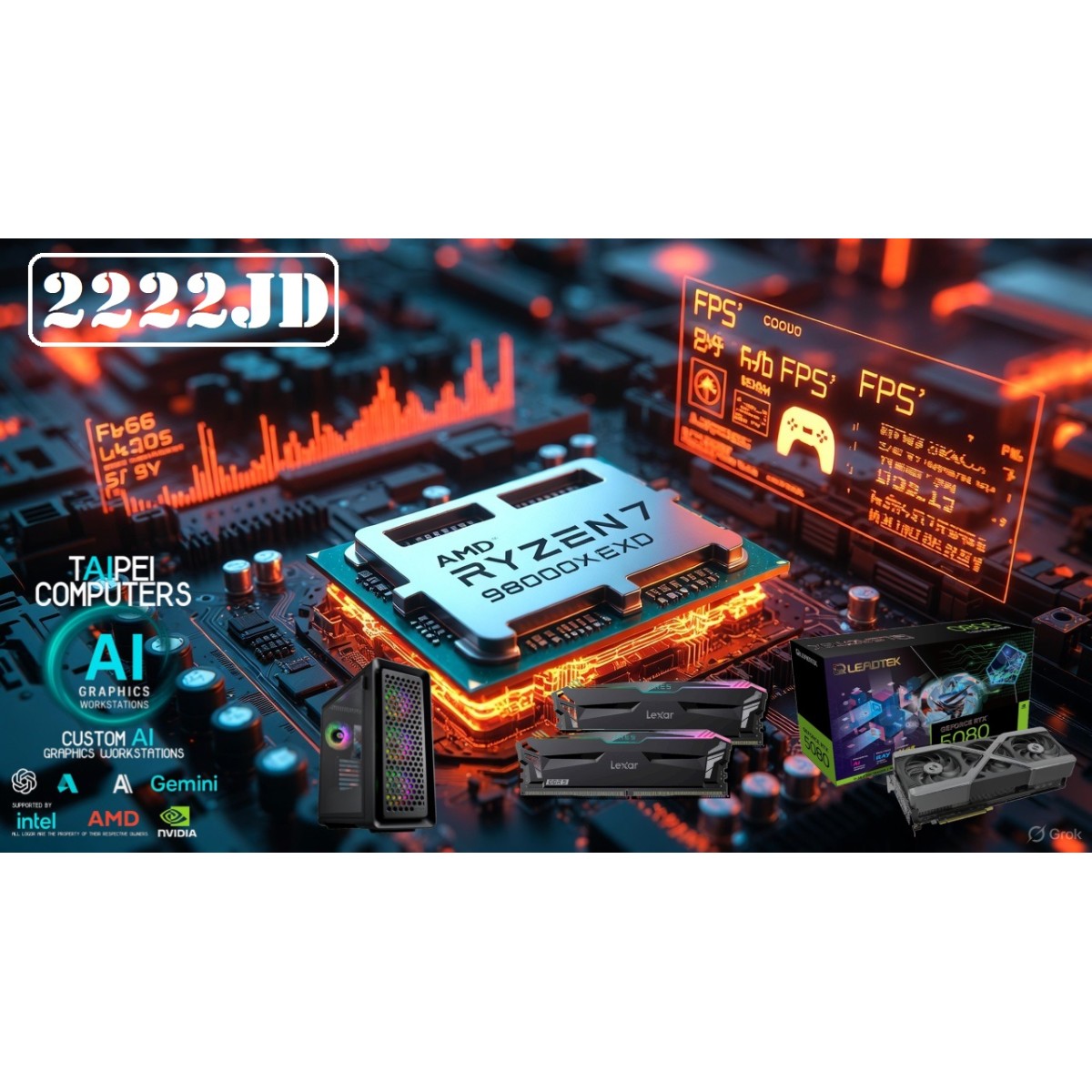
8 Gaming PC Fixes For 2026 DML 8 Gaming PC Fixes For 2026 Blog . New PC Games In January 2026 12 Releases That Are Coming To Steam 1824cr953 . Ubisoft Posts Strong First Half Growth And Teases Major Creative Shake 4631581 . Big In 2026 The Ultimate Guide To The Video Games That Will Shape 2026 . Taipei TOP Gaming PC 2026 RYZEN 7 9800X3D RTX5080 16GB D7 32GB 6800MHZ 2222 2026 1200x1200
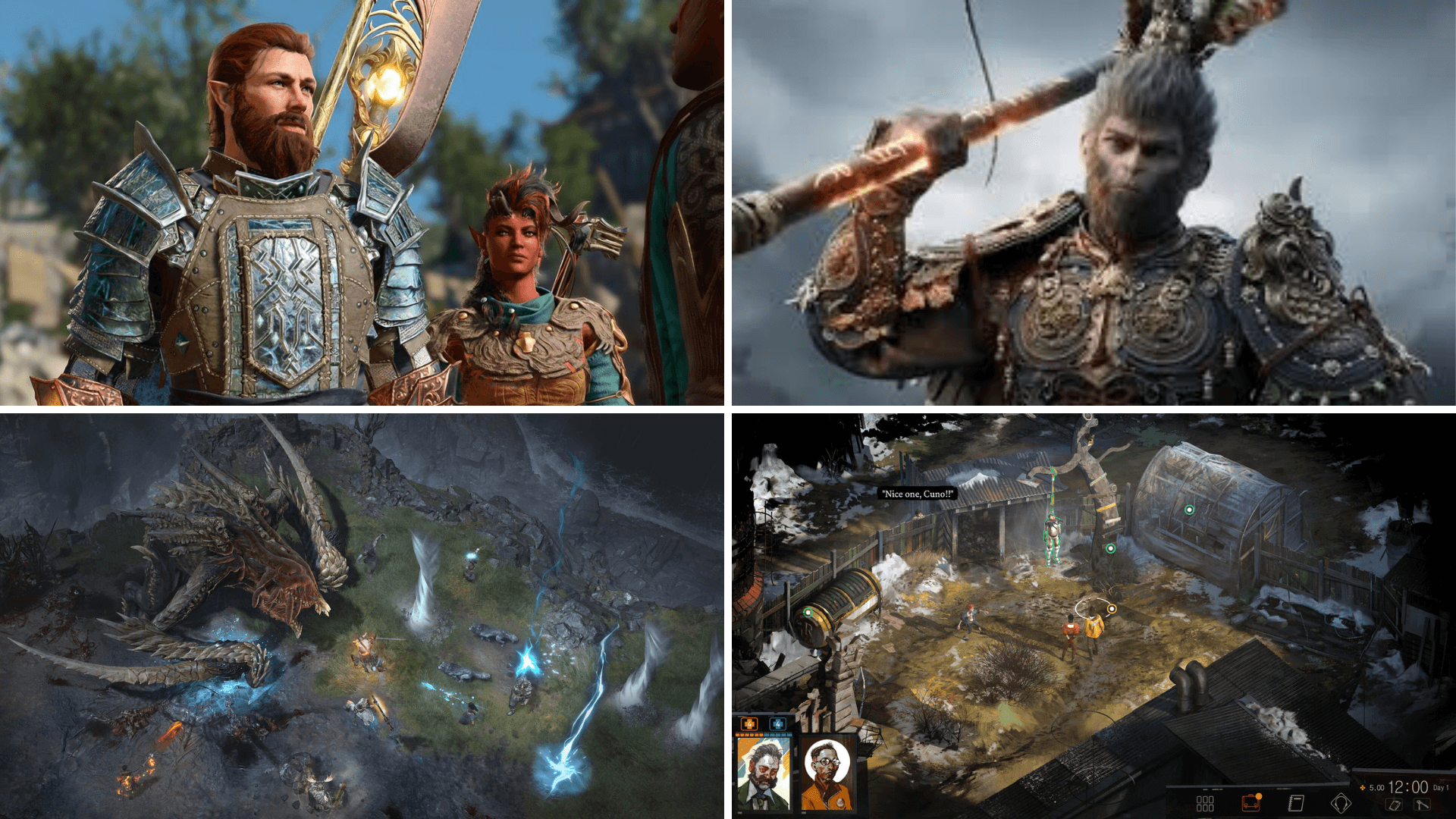



Game PC Terbaik Steam 2026 GAMES GG Best PC Games On Steam For 2026 Ba807d9acd . 9 Biggest PC Games Coming In 2026 Insider Gaming PC Games 2026 . Best Gaming PC Builds For 2026 Best Gaming PC Builds For 2026.webp. The Best PC Games Coming In 2026 . New 2026 Games Our Release Date Calendar PC Gamer 970 80
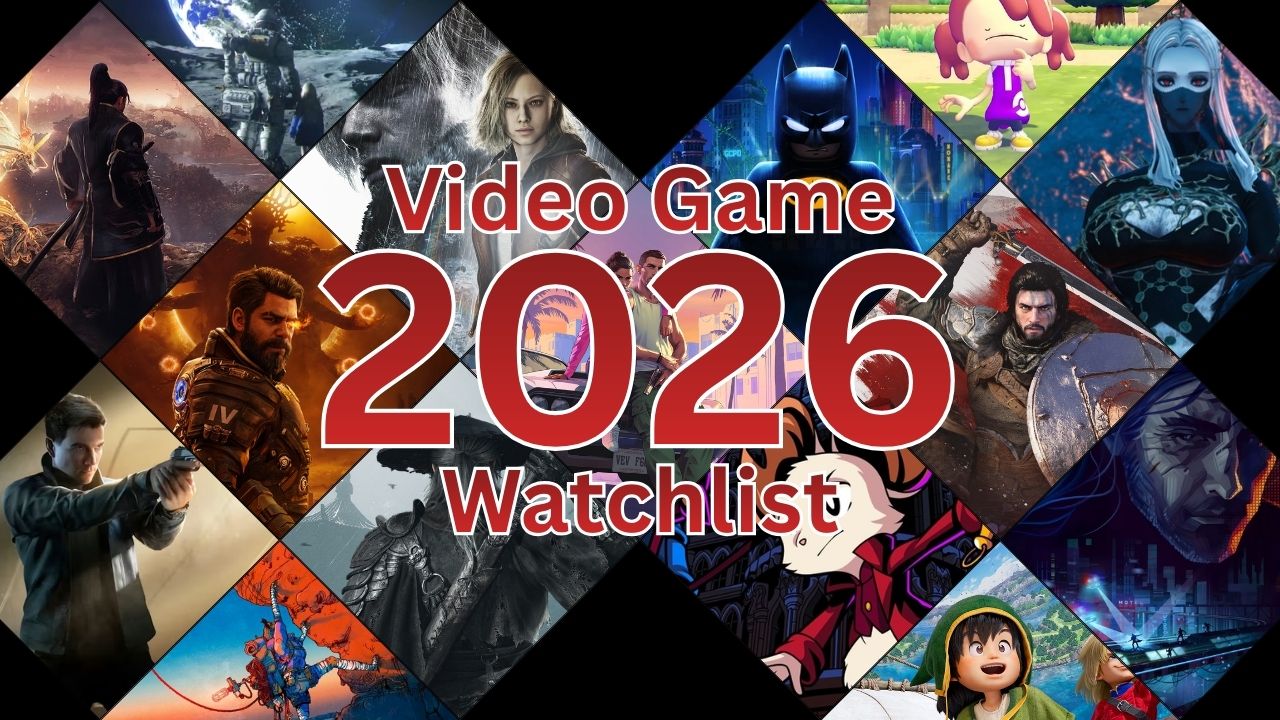


Video Games 2026 Ones To Watch Part 1 Quest Daily 2026 Games Pt 1 . How To Choose The Right Gaming PC In 2026 Complete Guide Complete Guide . The Most Anticipated PC Games Of 2026 . ChatGPT Sans Inscription Et Gratuit 2026 Guide Tape Par Tape Best Free Pc Games In 2026.JPG. New 2026 Games Our Release Date Calendar PC Gamer 450 80