Unlock ultimate gaming potential with our expert guide to high performance computers for gamers. Discover what specs truly matter for 2026 titles, how to optimize your setup for seamless gameplay, and smart upgrade strategies that save time and money. Learn about the latest GPUs, CPUs, and storage solutions tailored for adults balancing work, family, and passion. We address common pain points like performance drops, balancing budget with ambition, and staying current without succumbing to hype. Dive into practical advice for busy gamers looking to maximize fun, build skills, and connect with friends online, ensuring your high-performance machine delivers the relaxation and competitive edge you deserve without unnecessary complexity or costly mistakes. From identifying bottlenecks to future-proofing your rig, this guide is your go-to resource.
What is the ideal budget for a high performance gaming computer in 2026?
For a truly high performance computer for gamers in 2026, a budget ranging from 1500 to 2500 USD (excluding peripherals) is generally recommended. This allows for a powerful CPU (like an Intel i7/i9 or Ryzen 7/9), a current-gen high-end GPU (like an RTX 4080 Super or RX 7900 XTX equivalent), 32GB DDR5 RAM, and a 2TB NVMe SSD. It strikes a balance between cutting-edge performance and value, ensuring you can play all the latest titles at high settings and frame rates, whether you're into competitive esports or immersive single-player adventures.
How important is the GPU for high performance computers for gamers?
The Graphics Processing Unit (GPU) is arguably the single most important component for a high performance computer for gamers, especially in 2026. It's responsible for rendering all the visuals on your screen, from intricate textures to complex lighting effects. A powerful GPU dictates your achievable frame rates, resolution capabilities (1440p, 4K), and overall visual fidelity. While the CPU handles game logic, a weak GPU will severely bottleneck your system, regardless of other components. Prioritizing the best GPU you can afford within your budget is key to a truly high-performance gaming experience.
Should I consider an AMD or Intel CPU for my high performance gaming PC?
Both AMD and Intel offer excellent CPUs for high performance computers for gamers in 2026, and the choice often comes down to specific models, price-to-performance ratio, and ecosystem preferences. Intel's current generation often provides a slight edge in raw single-core gaming performance, which benefits many titles. AMD's processors, particularly their X3D series, excel in specific gaming workloads due to their 3D V-Cache technology and typically offer more cores for multitasking and productivity. Evaluate benchmarks for the specific games you play most and compare current generation offerings to make an informed decision.
What RAM specifications matter most for high performance gaming?
For high performance computers for gamers, both the quantity and speed of RAM are crucial. In 2026, 32GB of DDR5 RAM is the recommended sweet spot, providing ample memory for modern games and background applications like Discord or streaming software. Beyond capacity, look for faster speeds (e.g., 6000MHz or higher for DDR5) and lower CAS Latency (CL). Faster RAM significantly reduces load times and improves minimum frame rates in many titles, ensuring a smoother, more responsive gaming experience. Always check your motherboard and CPU's compatibility for supported RAM speeds.
Why is an SSD essential for a modern high performance gaming PC?
An NVMe Solid State Drive (SSD) is absolutely essential for a high performance computer for gamers. Unlike traditional Hard Disk Drives (HDDs), SSDs offer drastically faster read/write speeds, leading to lightning-quick game loading times, seamless texture streaming, and overall system responsiveness. In 2026, many new game titles are optimized for SSDs, making them a necessity for avoiding stuttering or 'pop-in' issues. Opting for a 2TB NVMe SSD ensures you have plenty of space for your game library and benefit from instant access to your operating system and applications.
How do I maintain my high performance gaming computer for longevity?
Maintaining your high performance computer for gamers involves several key practices for longevity and consistent performance. Regularly clean your PC's internal components, especially fans and heatsinks, to prevent dust buildup and ensure optimal cooling. Keep your operating system, GPU drivers, and game launchers updated. Monitor component temperatures (CPU, GPU) using software like HWMonitor. Avoid over-overclocking if you're unsure, and ensure your PC has good airflow. Periodically defragment (for HDDs, not SSDs) or optimize your drives, and run antivirus scans. These steps help prevent performance degradation and extend your PC's lifespan.
What peripheral upgrades complement a high performance gaming PC?
Complementing a high performance computer for gamers with suitable peripherals significantly enhances the overall experience. A high refresh rate gaming monitor (144Hz+) with low response time and adaptive sync (G-Sync/FreeSync) is paramount for visual fluidity. A responsive mechanical keyboard and a high-DPI gaming mouse provide precise input. A quality gaming headset with clear audio and a good microphone improves immersion and communication in social games. Don't forget a comfortable gaming chair for those extended sessions. These upgrades ensure your interactions with your powerful PC are as smooth and enjoyable as the gameplay itself.
Hey fellow gamers! If you're anything like the typical US gamer today, you're probably balancing a demanding job, family life, and maybe even a few household chores. But when you finally carve out some precious time to dive into your favorite digital worlds, you want that experience to be flawless. No lag, no stutter, just pure, unadulterated fun, skill-building, or social connection. That's where high performance computers for gamers come in, and understanding them in 2026 is crucial. Gone are the days of just buying 'a gaming PC'; now it's about smart choices that deliver maximum impact for your limited free time and hard-earned cash.
We know the struggle is real: setting up new hardware can be a headache, performance problems crop up unexpectedly, and figuring out what games to even play with your limited time is a quest in itself. Upgrading on a budget feels like a dark art, and sometimes, balancing your gaming passion with life's other demands seems impossible. This guide is built for you, the discerning gamer, average age around 36, who values relaxation, honest performance optimization, and getting true value without all the marketing hype. We're here to cut through the noise and give you practical, actionable advice on high performance computers for gamers, ensuring your rig is a source of joy, not frustration.
What Defines a High Performance Computer for Gamers in 2026?
In 2026, a high performance computer for gamers isn't just about raw power; it's about intelligent synergy between cutting-edge components that deliver consistent, high frame rates at resolutions like 1440p or even 4K, especially for the 87% of US gamers who regularly play. This means a powerful CPU capable of handling complex game logic and background tasks, a top-tier GPU rendering stunning visuals, ample fast RAM, and blazing-fast storage for quick load times. Crucially, it also encompasses a robust cooling system and a stable power supply to ensure reliability during extended gaming sessions. With gamers averaging over 10 hours a week, stability is key.
Which Components Are Most Critical for Peak Gaming Performance?
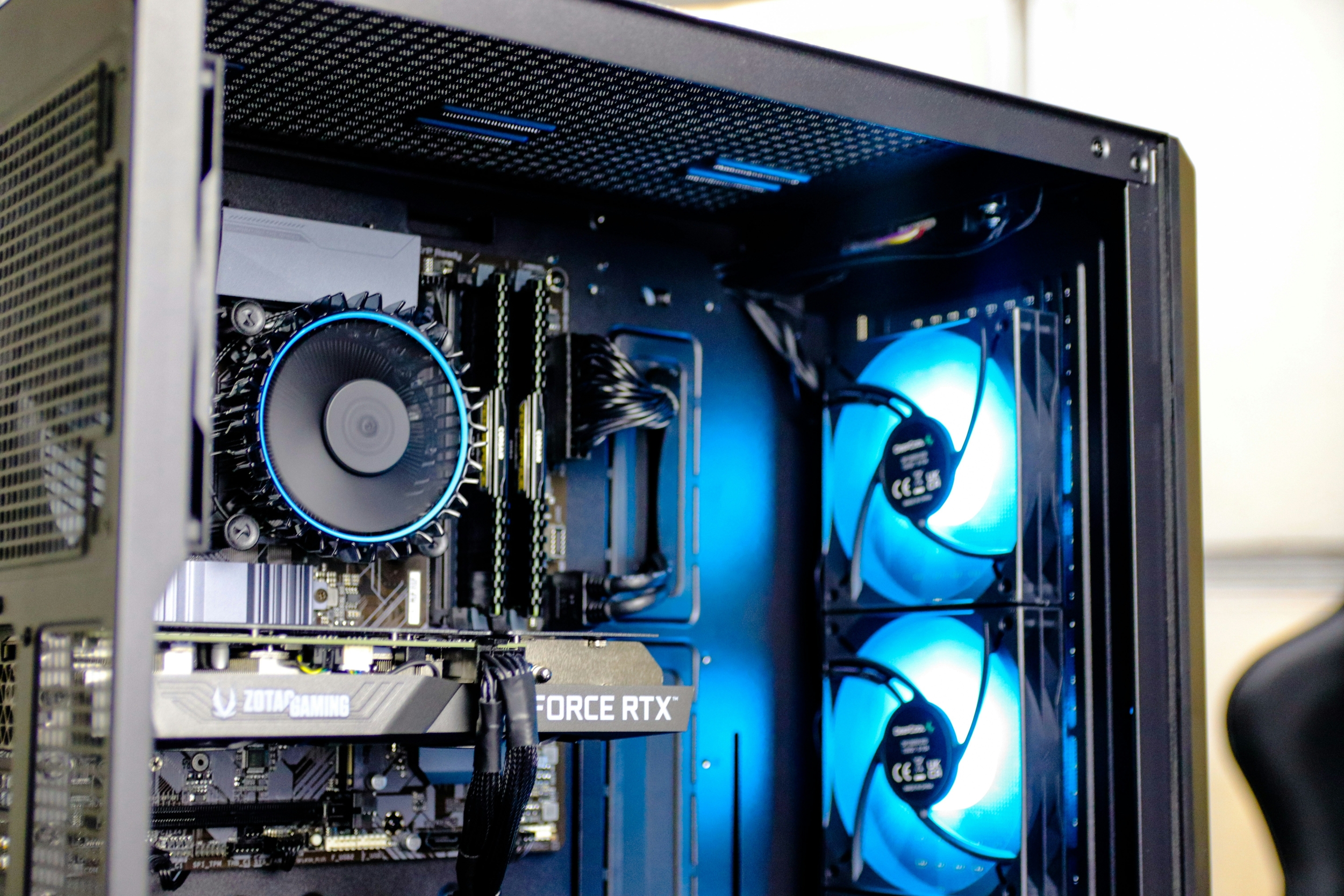
When building or upgrading a high performance computer for gamers, prioritize these components: first, the Graphics Processing Unit (GPU), like NVIDIA's RTX 50-series or AMD's RX 8000-series, which is the heart of visual fidelity and frame rate. Second, the Central Processing Unit (CPU), such as Intel's 15th Gen or AMD's Ryzen 9000-series, for game logic and multitasking. Third, 32GB of DDR5 RAM running at optimal speeds for smooth gameplay and background applications. Fourth, a 2TB NVMe SSD for lightning-fast game loading and system responsiveness. Finally, a high-wattage (850W+) power supply from a reputable brand and an effective liquid or air cooling solution are non-negotiable for stability and longevity.
How Can I Future-Proof My High Performance Gaming PC on a Budget?
Future-proofing on a budget means making smart, strategic investments in your high performance computer for gamers. Start by investing in a robust motherboard that supports the next generation of CPUs and RAM, allowing for easier upgrades down the line without replacing the entire foundation. Opt for a slightly overkill power supply to accommodate future GPU upgrades. When purchasing a GPU, aim for the best you can afford, as this is often the most significant performance determinant. Consider buying used components from reputable sellers for parts like RAM or an older CPU to save money and allocate more funds to the GPU, which typically has the shortest performance lifespan before needing an upgrade.
What Are the Best Cooling Solutions for Sustained High Performance?
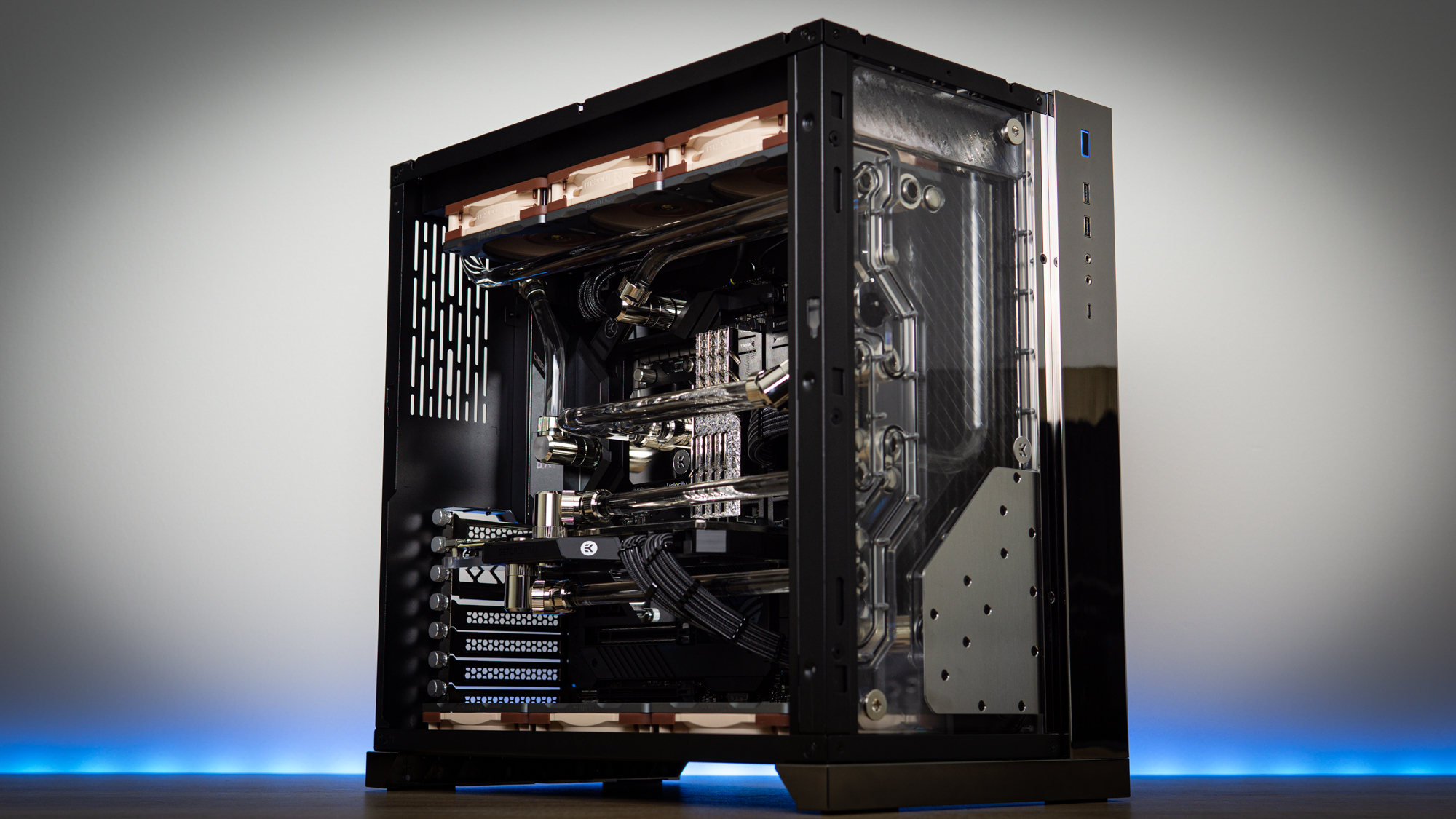
For a high performance computer for gamers to truly excel, effective cooling is paramount, preventing thermal throttling that can degrade performance over time. Air cooling, with large tower coolers from brands like Noctua or be quiet!, offers excellent performance for most setups and is generally more budget-friendly and reliable than liquid. For top-tier CPUs and extreme overclocking, an All-in-One (AIO) Liquid Cooler with a 240mm or 360mm radiator provides superior thermal dissipation, especially in smaller cases. Custom liquid cooling loops offer the absolute best performance and aesthetics but come with a higher cost and complexity. Good case airflow with multiple fans is critical regardless of your primary cooler choice.
Is a High Refresh Rate Monitor Truly Necessary for Gamers in 2026?
Absolutely, a high refresh rate monitor is a game-changer for high performance computers for gamers, especially if you play competitive titles. While casual gamers might find 60Hz acceptable, a 144Hz or 240Hz monitor significantly enhances responsiveness and visual fluidity. This is particularly noticeable in fast-paced games like shooters or racing sims, where every millisecond counts. Combined with adaptive sync technologies like G-Sync or FreeSync, a high refresh rate monitor eliminates screen tearing and input lag, providing a smoother, more immersive, and ultimately more enjoyable gaming experience that can genuinely improve your in-game performance and reaction times.
How Do I Balance My Gaming PC Budget with Life's Other Demands?
Balancing your gaming PC budget with life's realities means prioritizing where your money goes for your high performance computer for gamers. Instead of aiming for the absolute bleeding edge, research the 'sweet spot' for performance-per-dollar components. Often, a mid-range GPU from the current generation offers excellent value, providing most of the performance of the top-tier card at a fraction of the cost. Consider building your PC yourself to save on assembly fees. Look for sales and promotions, especially around major holidays. Remember, gaming is about relaxation and fun; you don't need to break the bank to enjoy the latest titles, especially with many excellent free-to-play options and social gaming trends dominating this month's data.
Can High Performance Computers Enhance Social Gaming and Community Building?
Yes, high performance computers for gamers significantly enhance social gaming and community building. With a powerful PC, you can effortlessly run demanding games while simultaneously streaming to friends on Discord, recording clips for social media, or even live-streaming your gameplay. This capability fosters a more engaging and interactive social experience, allowing you to share your passion without performance bottlenecks. Many popular social and cozy games, alongside esports viewing, benefit from smooth performance, ensuring you're always part of the action, whether you're coordinating raids with guildmates or just chilling in a virtual world with friends after a long day.
What are Common Performance Bottlenecks and How Do I Fix Them?
Common bottlenecks in a high performance computer for gamers include an outdated CPU paired with a powerful GPU, insufficient RAM causing stuttering, or slow storage leading to long load times. To fix these: ensure your CPU is relatively balanced with your GPU (e.g., a high-end GPU needs a strong CPU). Upgrade to at least 16GB, preferably 32GB, of fast DDR4 or DDR5 RAM. Replace old HDDs with NVMe SSDs. Check your cooling system for overheating components. Regularly update your GPU drivers, clean out old files, and optimize game settings. Task Manager can help identify resource hogs, ensuring your system runs efficiently.
Conclusion
Navigating the world of high performance computers for gamers in 2026 doesn't have to be overwhelming. By focusing on smart component choices, understanding your specific gaming needs, and prioritizing value over hype, you can build or upgrade a rig that delivers incredible experiences without compromising your budget or precious free time. Remember, the goal is to enhance your relaxation, foster social connections, and build skills in the games you love. A well-optimized PC is your gateway to achieving that balance.
What's your biggest gaming challenge with your current setup? Comment below!
FAQ Section
Q: How often should I upgrade my gaming PC for optimal performance?
A: For a high performance computer for gamers, a major upgrade (GPU or CPU) every 2-4 years is typical to keep up with demanding new titles. Minor upgrades like RAM or storage can be done as needed, often every 5+ years.
Q: Is it better to build a custom gaming PC or buy a pre-built one?
A: Building a custom high performance computer for gamers generally offers better value, more control over components, and a deeper understanding of your machine. Pre-builts offer convenience, warranty coverage, and often immediate playability.
Q: What's the ideal amount of RAM for a gaming PC in 2026?
A: For high performance computers for gamers in 2026, 32GB of DDR5 RAM is the sweet spot. While 16GB can be sufficient for many titles, 32GB ensures smoother multitasking and future-proofs your system for upcoming games.
Q: Do I need a specific internet speed for high performance online gaming?
A: While a high download speed is good for game downloads, for online multiplayer on a high performance computer for gamers, low latency (ping) is more crucial than raw bandwidth. A stable connection of at least 25-50 Mbps download and 5-10 Mbps upload is generally more than enough for smooth gameplay, especially if you're not streaming simultaneously.
Optimizing gaming PCs for 2026 titles, smart hardware upgrades, balancing budget and performance, essential components for high-fidelity gaming, practical advice for busy adult gamers, common performance issue solutions, future-proofing your gaming setup, social gaming and performance tips, value-driven hardware choices.
35


Top 10 Best Desktop Computers 2026 For Home Office And Work Lenovo Legion Tower 7i 2026 High Performance Desktop Computer With RGB Lighting Featured In. Geometric Future Highlights New PC Cases AIOs And PSUs At Computex . High Performance Gaming PC Ultimate 2026 Guide High Performance Gaming Pc. Best Gaming PC Builds For 2026 Best Gaming PC Builds For 2026.webp. 15 High End VR Ready Gaming PC Builds For 2026 That Elevate Gaming Premium 2026 Gaming Pc Builds L8j52


The 7 Best High End Gaming PCs Of 2026 Power Performance And Premium Gaming Pc Rankings Brcq5 . Desktop Gaming Computer Best Handheld Gaming PC In 2025 My Desktop Gaming Pcs.webp. 10 Best High End Gaming PCs Of 2026 For Hardcore Gamers StrongMocha Top Premium Gaming Computer List X6akm . 7 Best Gaming PCs Of 2026 Power Performance And Value Revealed Top Gaming Pcs 2026 1lmv2 . What Was The Top PC Gaming Experience Best Gaming Desktops

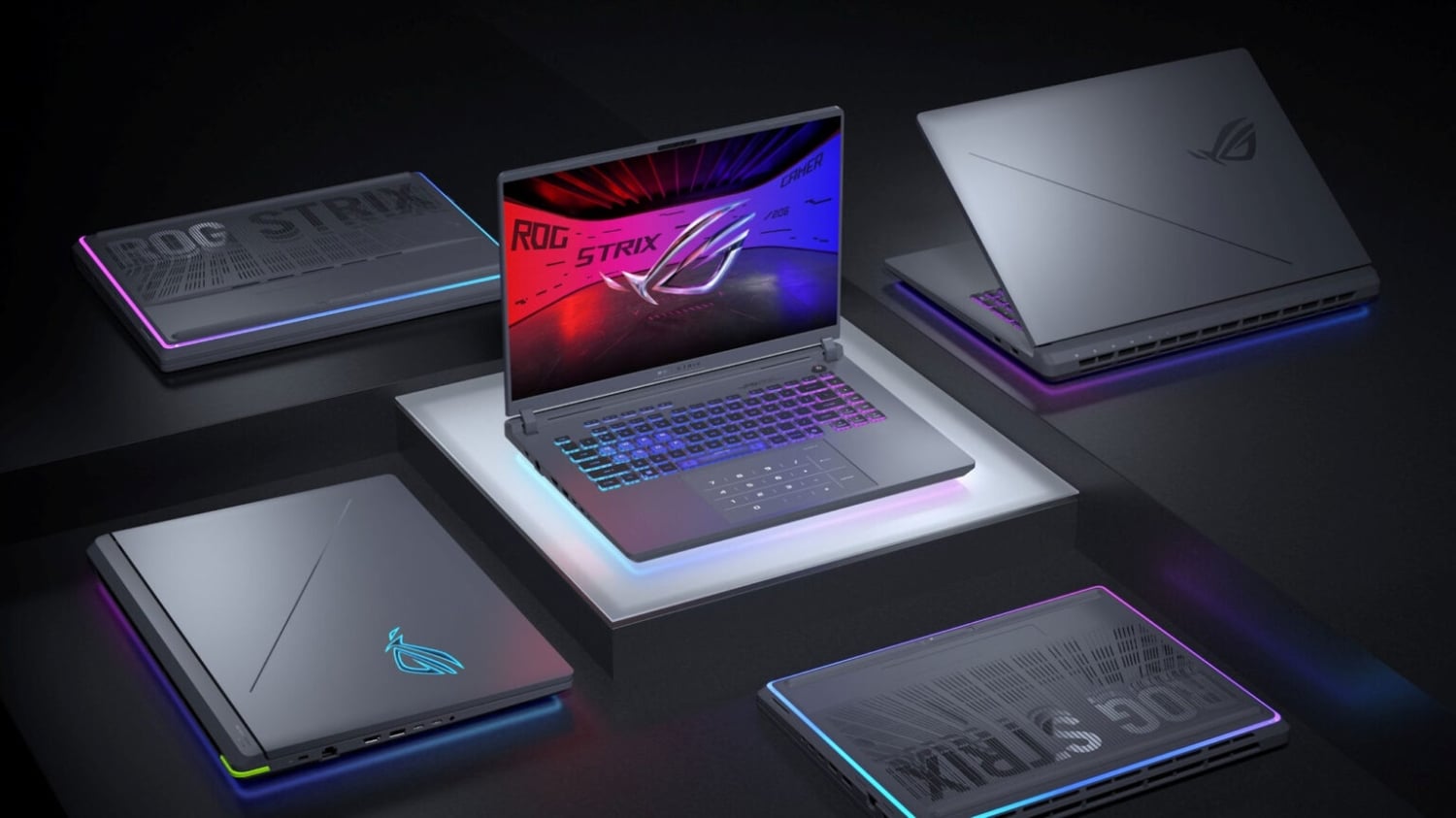
Best Gaming Computers In 2026 9meters Hpaq Kbcyhk 768x529 . Best Gaming Laptops 2026 Top 5 Picks With RTX 50 GPUs Price Comparison Top 5 Gaming Laptops In 2026. The Best Gaming Desktops 2026 Top 10 Gaming Desktops Buy Now Guide . Gaming PC Build For 2026 Best PC Parts And High Performance Tips For Gaming Pc Tower . ASUS ROG Showcase At CES 2026 Confirmed With New Gaming Gear Laptops 109228 43 Asus Rog Showcase At Ces 2026 Confirmed With New Gaming Gear Laptops And Future Technology Full


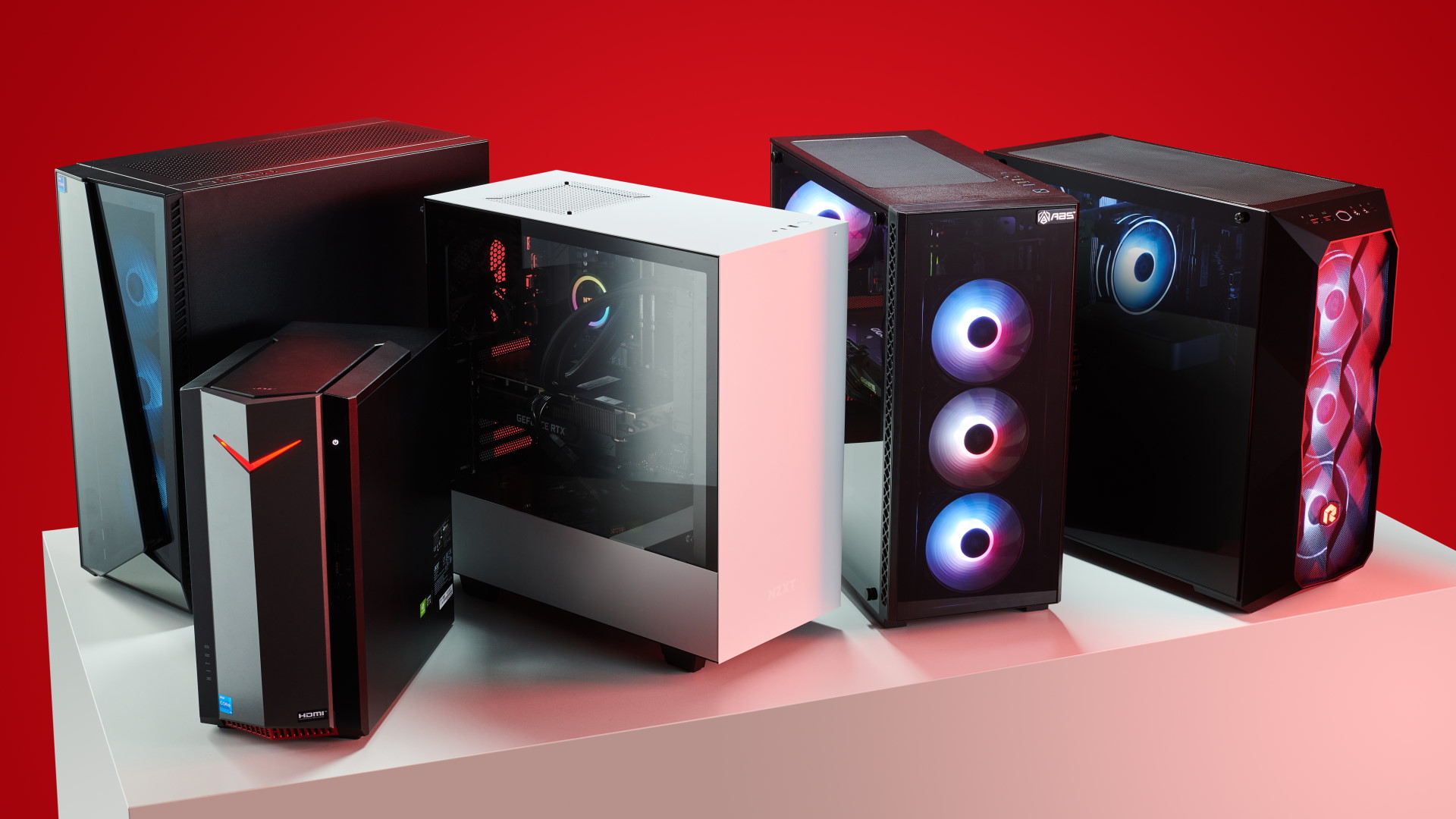

The Best Gaming Laptops Of 2026 At CES YouTube . Top 10 Best Gaming Laptops To Buy In 2026 Power Performance What S . Hands On Intel S Core Ultra 7 165H Is Golden For . Best High End Gaming Laptops For Smooth Gameplay 2026. Best Gaming PC Under 3000 AED High Performance For UAE Gamers In 2026 Best Gaming PC Under 3000 AED High Performance For UAE Gamers In 2026 Hero Image 1300x743
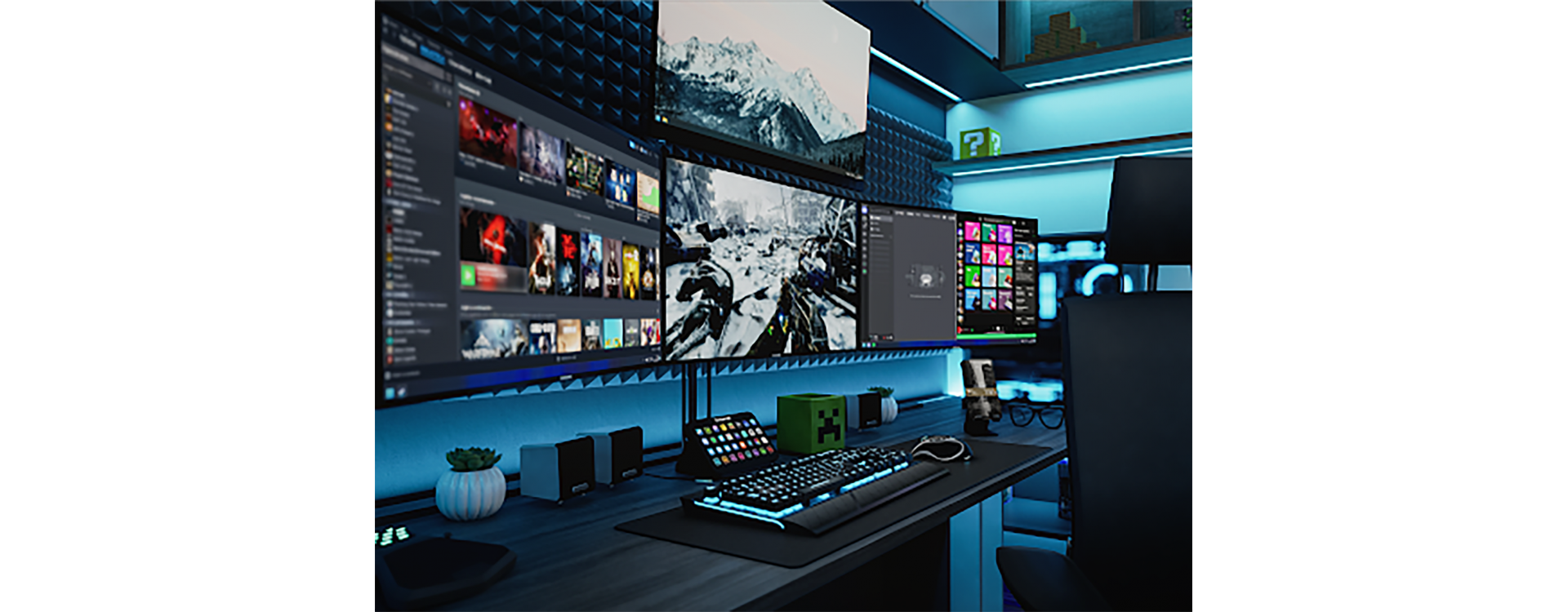
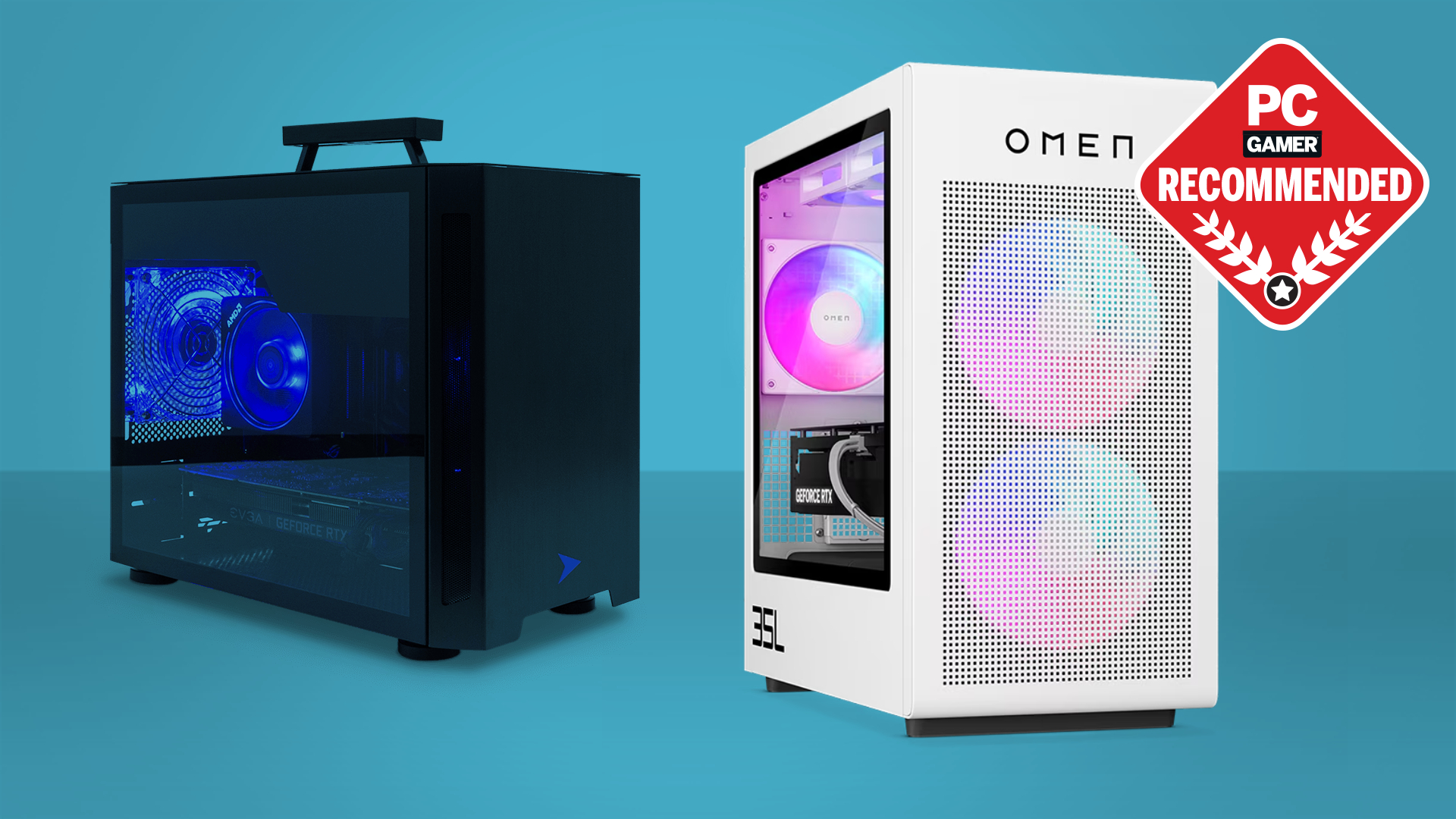

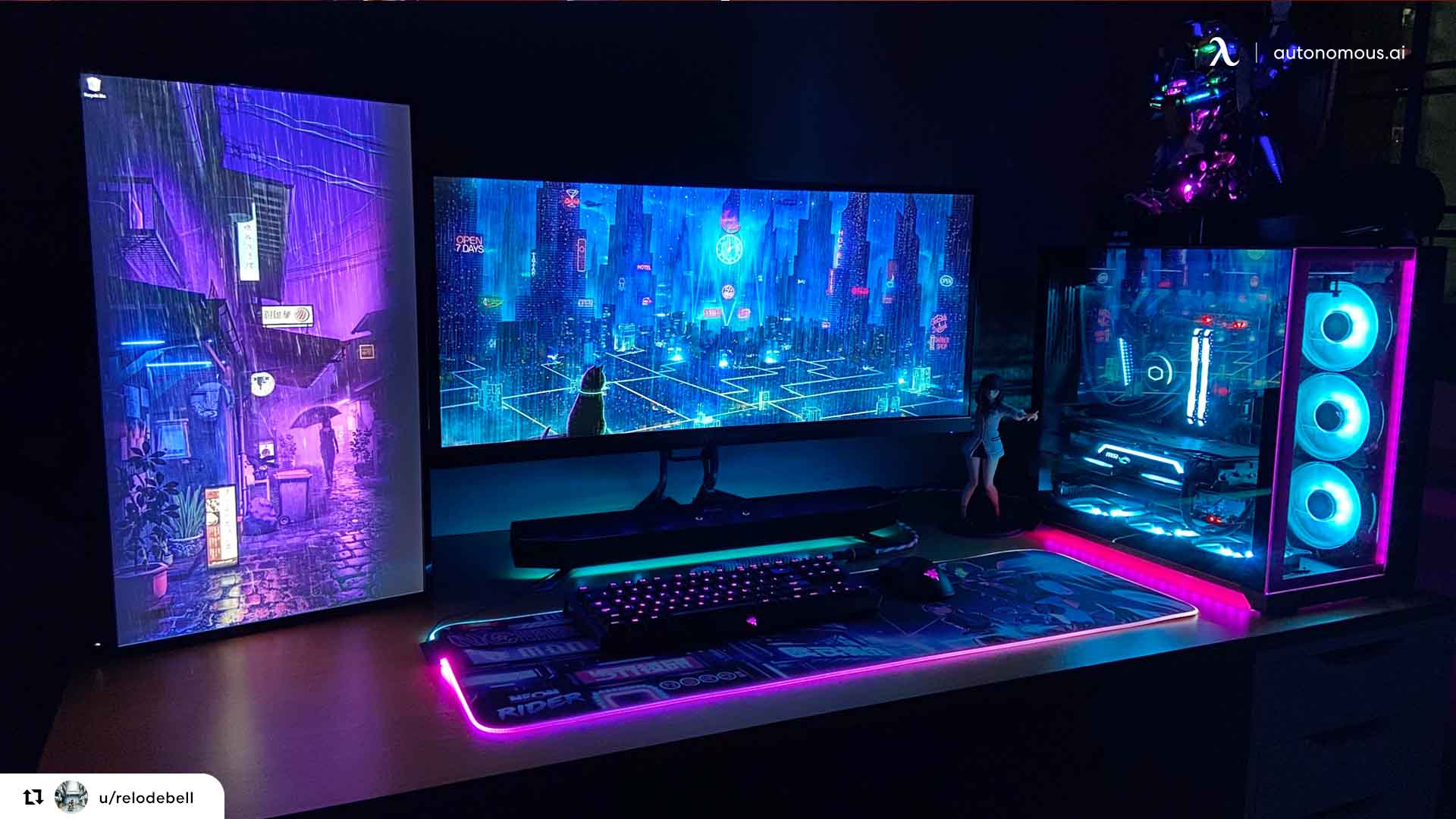
The Ultimate Gaming PC Build 2026 Guide By Xidax 1 Unnamed . These Ready To Play Gaming Desktops Are Fueled By Passion And Power . High Tech Console Vs Gaming PC Which Gives Better Value In 2026 High Tech Console Vs Gaming PC 2. Future Proof Laptop 2025 ROG CES Family Of Devices ROG PR Downsample 1 1 . How Much For A PC Gaming Setup Cost 6f2cce37d2c


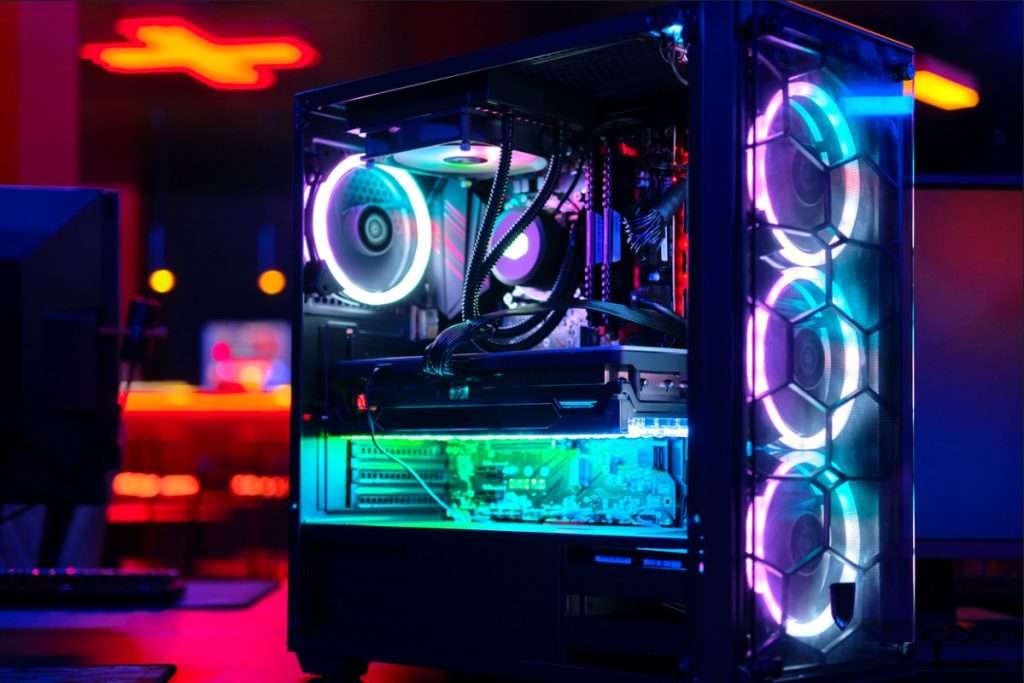
The Best Cheap Gaming Laptops For 2026 Tested For Gaming Top 3 Gaming Laptops Of 2026 - The Ultimate Guide . Best High End Gaming Laptops For Smooth Gameplay 2026. The Best Gaming PC Of 2026 Top Prebuilt Desktops Gaming Pc . High End Gaming PCs Free UK Shipping Vibox Banner By Budget.webp. Best PC Builds For Gaming 2026 Ultimate Guide To Building Your Dream Best PC Builds For Gaming 2026 1024x683

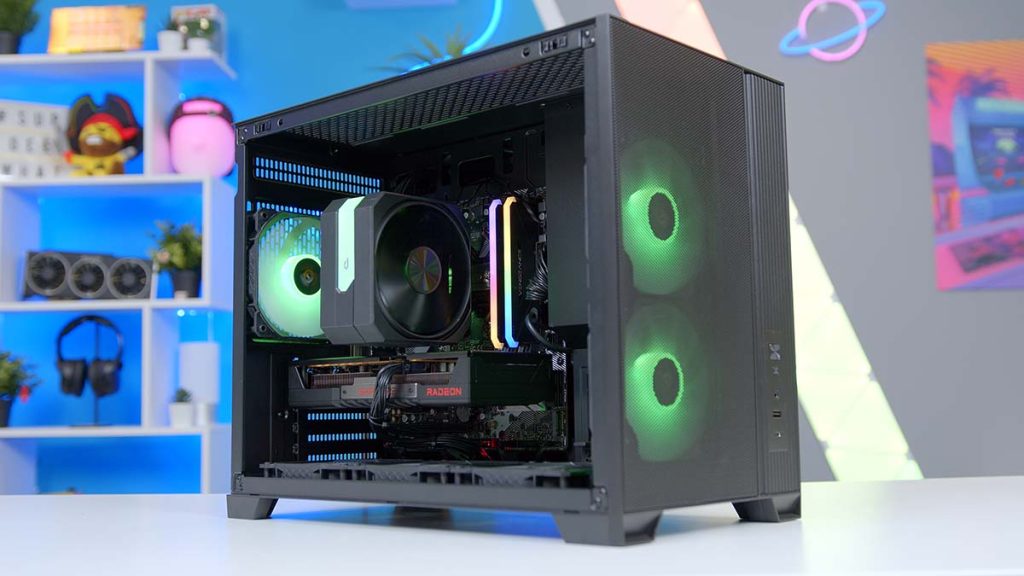
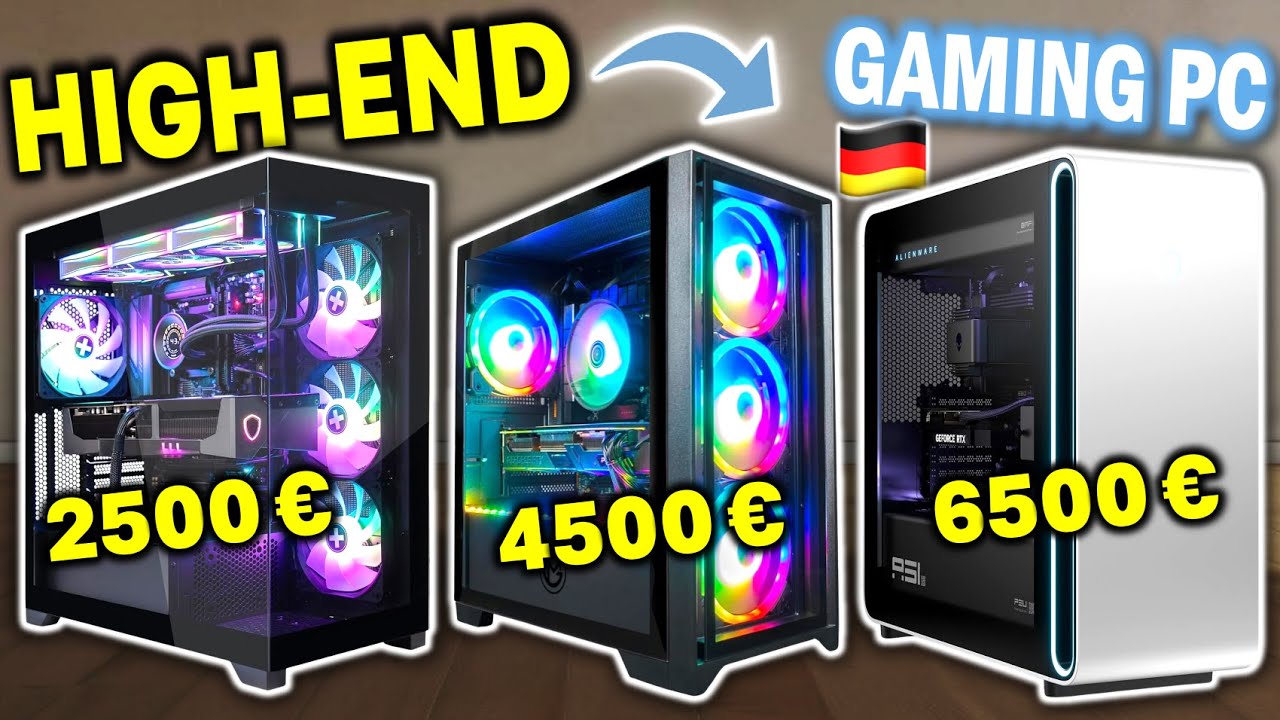

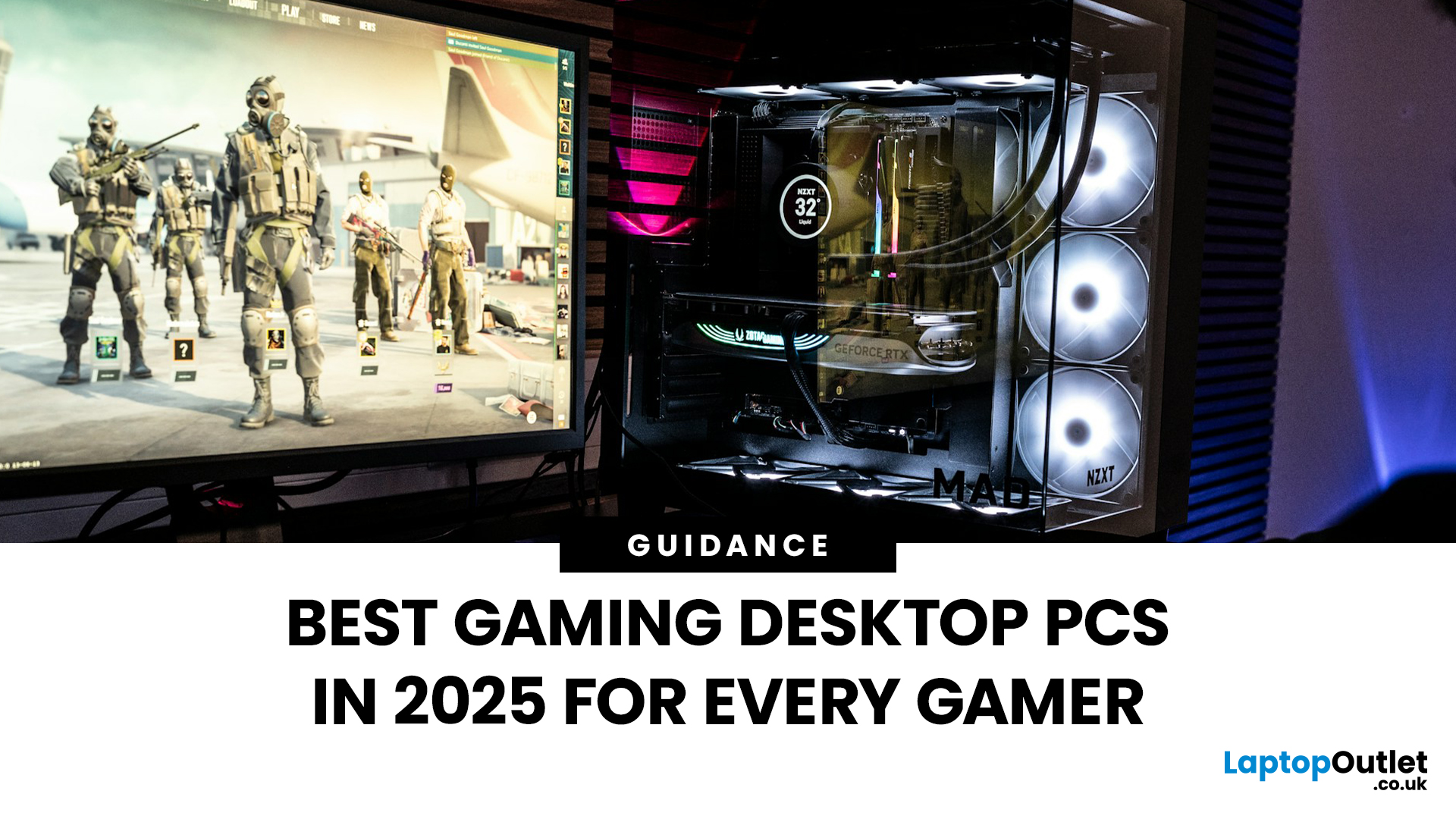
Best Laptops 2026 Top Picks For Every Budget Use Case Xthe Best Laptops 2026 Top Picks For Every Budget Use Case 750x350 . Building An Affordable Gaming PC For 2026 GeekaWhat FI DP056 Antec Flux M 9060XT 1024x576 . Die Besten HIGH END GAMING PCs 2026 Top 3 Premium Gaming Computer . The Top 10 Gaming Laptops Under 500 Updated 2026 Review Best Gaming PC . Why More Gamers Are Switching To PC Gaming Best Gaming Desktop PC 2025 Main