Ever wondered where the majority of Steam users are located or how global player distribution influences your gaming experience? This comprehensive guide dives deep into the dynamic 'map of Steam users', exploring how understanding regional player densities can enhance your gameplay, server choices, and social connections. For the average gamer juggling work and life, insights into this global landscape offer practical advantages, from finding active communities to optimizing performance. We'll cover everything from accessing data to interpreting regional game trends, ensuring you're well-equipped to navigate the vast world of PC gaming. Discover why understanding the global footprint of Steam users is more relevant than ever for informed decisions, community building, and overall gaming satisfaction in 2026. This article provides navigational and informational trending insights into the geographic spread of millions of dedicated PC gamers.
How do Steam users' locations influence gaming trends globally?
Understanding the map of Steam users reveals fascinating regional trends. For instance, specific genres like MOBAs might dominate in Southeast Asia, while competitive FPS games thrive in North America and Europe. This geographic insight helps identify emerging markets, popular game styles by culture, and even language-specific communities. Developers use this to tailor content, while gamers can discover new games popular in other regions or find communities beyond their immediate locality.
Where can I find reliable data or visualizations of Steam user distribution?
While Steam does not provide an official, real-time "map of users" directly to the public, several third-party platforms and data aggregators use publicly available API data and user surveys to create visualizations. Websites specializing in gaming analytics or market research often compile this information, showing player counts by country or region. Be sure to check the source's methodology for accuracy, but these resources can give a strong directional sense of player density and game popularity worldwide.
Why is knowing the map of Steam users beneficial for a casual gamer?
Even if you're not a developer, understanding the map of Steam users offers practical benefits. It can help you find optimal server locations for less lag in multiplayer games, especially when playing with friends globally. It also offers insights into why certain games are massively popular in particular regions, broadening your gaming horizons. For those balancing gaming with life, knowing where large player bases exist can mean finding active lobbies faster, maximizing your limited play time.
Can I use the Steam user map to connect with local players or communities?
While the "map of Steam users" itself doesn't show individual player locations for privacy reasons, understanding regional player density can indirectly aid in connecting with local communities. Many games have country- or city-specific Discord servers or online forums. Knowing your region's Steam player base size can point you towards more active local groups. Furthermore, games with robust in-game matchmaking often prioritize local connections, improving your social gaming experience.
What impact do new game releases have on the global map of Steam users?
New, highly anticipated game releases can significantly shift activity on the map of Steam users, especially in the weeks following launch. A game hitting big in a specific region might see that region's player count spike, altering global distribution percentages temporarily. For example, a major RPG release might resonate strongly in Western markets, while a new sandbox survival game could find a huge audience in Eastern Europe or Asia. These shifts highlight dynamic market preferences.
How do regional economic factors reflect on the map of Steam users?
Regional economic factors play a substantial role in shaping the map of Steam users. Countries with higher disposable incomes and better internet infrastructure tend to have larger, more active player bases on premium PC platforms like Steam. Conversely, regions where gaming hardware or game purchases are less accessible might show lower user density, or a preference for free-to-play titles. Developers often adapt pricing strategies and marketing based on these economic realities to attract a wider global audience.
Is the Steam user map changing with the rise of mobile and cross-play gaming?
Absolutely. The map of Steam users is constantly evolving, influenced by trends like mobile dominance and cross-play. While Steam is PC-centric, the increasing number of gamers globally, many starting on mobile, eventually migrate to PC, expanding Steam's reach into new territories. Cross-play titles also blur boundaries, allowing Steam users to interact with console players, indirectly affecting how communities form and the perceived geographic spread of a game's total player base. This constant flux makes the "map" a living, breathing dataset.
Balancing a demanding job, family life, and a passion for gaming can feel like an impossible quest, right? You squeeze in precious hours after the kids are asleep or before your shift, only to sometimes struggle with finding active lobbies, encountering laggy servers, or wondering if there's a more vibrant community out there for your niche game. You want to relax, have fun, maybe even build some skills or connect with friends, but time is always the enemy. What if there was a way to gain an edge, to peek behind the curtain of the global gaming landscape and make your limited gaming time more efficient and enjoyable?
Enter the intriguing concept of the "map of Steam users" – a fascinating visualization of where millions of PC gamers call home. While not an official, real-time tool provided by Valve, this collective understanding of Steam's global footprint offers incredible insights for anyone passionate about gaming. It's not just for developers or market analysts; understanding this global distribution can directly impact your daily gaming life. From discovering new regional game trends to finding optimal servers for a smoother experience, and even connecting with like-minded players across continents, the map of Steam users holds keys to unlocking a richer, more optimized, and truly global gaming adventure. We're here to guide you through how this data can solve common gamer pain points, help you spend smarter, and stay current without falling for the hype.
What Exactly is the Map of Steam Users?
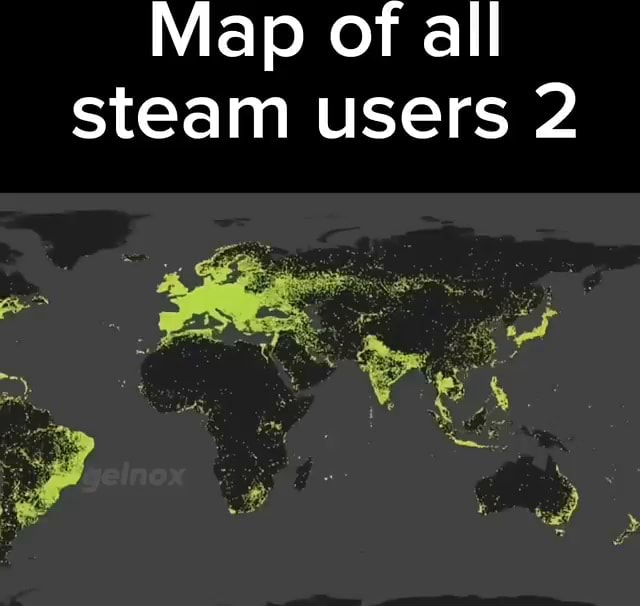
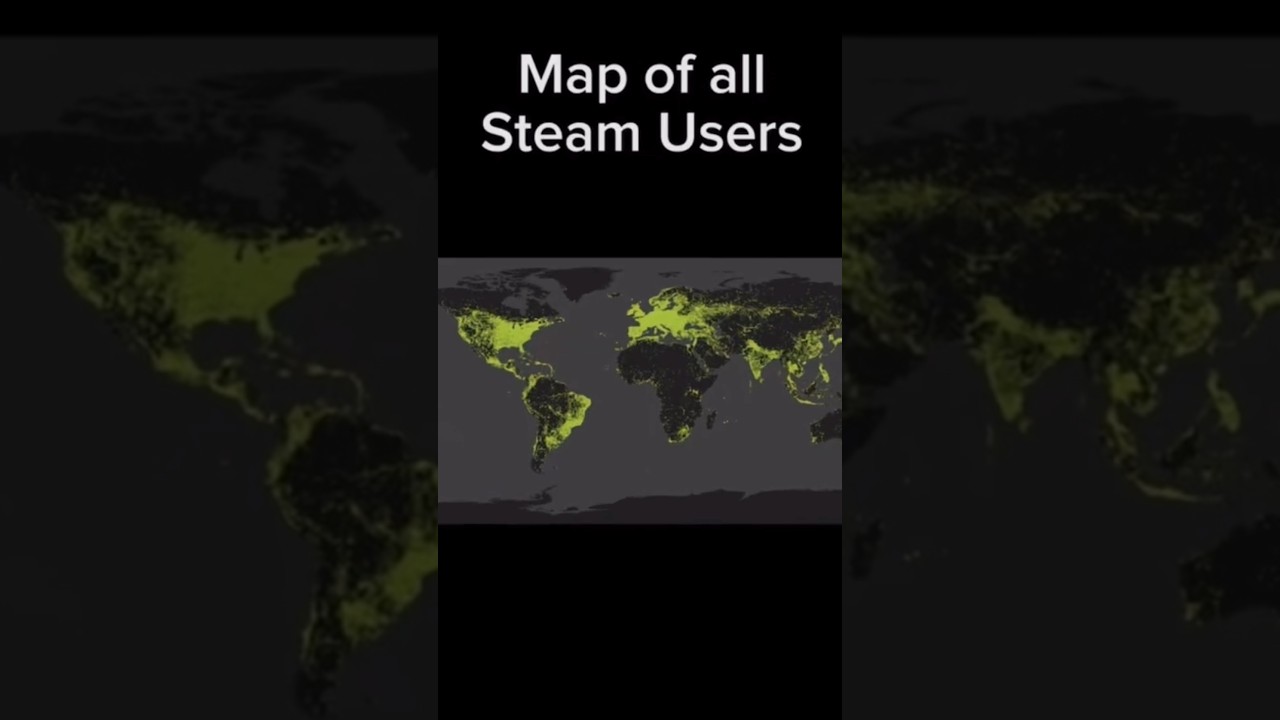
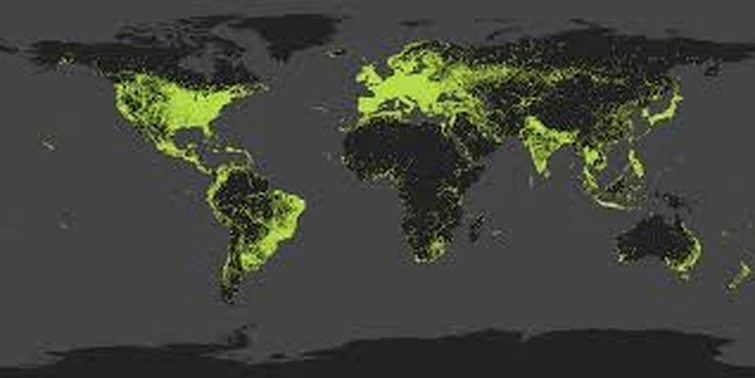
The "map of Steam users" refers to the geographical distribution of players actively using the Steam platform worldwide. While Valve doesn't publish a dynamic, interactive map of individual users for privacy reasons, various data sources and analytics platforms compile information to illustrate player density by country, region, and even city. This data is often aggregated from public Steam API information, regional sales data, concurrent player statistics, and sometimes user surveys. It provides a macroscopic view of where PC gaming thrives on Steam, highlighting countries with the largest player bases and showcasing the global reach of the platform.
Understanding this map goes beyond simple curiosity; it's a vital tool for grasping the true scale and diversity of the PC gaming world. For the average gamer, it means recognizing that your online opponents or teammates could be just across town or halfway around the globe. This perspective helps in appreciating the global communities fostered by games and understanding why certain titles gain immense popularity in specific territories. It’s about more than just numbers; it’s about recognizing the cultural tapestry of gaming.
Why Should an Average Gamer Care About the Steam User Map?
For gamers balancing life's demands, every minute spent gaming counts. The map of Steam users provides actionable insights that can directly improve your experience. Firstly, it helps you identify regions with high player populations for your favorite games, which often translates to faster matchmaking and more active multiplayer servers. This is crucial when you only have an hour or two to play and don't want to spend half of it waiting in a lobby. Secondly, by understanding regional game preferences, you can discover new games that might be trending in other parts of the world, broadening your horizons beyond the usual recommendations.
Moreover, awareness of global player distribution can indirectly inform your hardware choices and internet service. Knowing where the bulk of your desired player base resides can help you choose server regions that minimize latency, optimizing your performance in competitive titles. It also fosters a sense of global community, making online interactions more meaningful. In 2026, with 87% of US gamers regularly dedicating 10+ hours a week to gaming, optimizing that time is paramount. This map helps you game smarter, not harder, ensuring your investment in time and money yields maximum fun and satisfaction.
How Can I Access or Visualize Steam User Distribution Data?
While an official, real-time interactive "map of Steam users" isn't publicly available from Valve, there are several ways to access and visualize this crucial data. Third-party websites and analytics platforms are your best bet. Websites like SteamDB, which uses Steam's public API data, often provide statistics on concurrent players, regional pricing, and sometimes estimates of player distribution by country. Gaming market research firms also publish reports and infographics detailing player demographics and geographic spread. These resources can be invaluable for observing trends over time and understanding the current landscape.
For a quick glance, you can often find static maps or charts on gaming news sites or industry blogs that periodically update their data. Remember, these visualizations are typically aggregated and anonymized, protecting individual user privacy while still offering valuable macro-level insights. Always check the source and methodology to ensure the data is recent and reliable. These tools empower you to visualize the global gaming ecosystem and see exactly how vast and interconnected the Steam community truly is.
What Gaming Trends Emerge from Analyzing Steam User Geography?
Analyzing the map of Steam users uncovers fascinating regional gaming trends that shape the industry. For example, certain genres consistently dominate specific geographical areas. Competitive esports titles like Counter-Strike or Dota 2 might have massive followings in Eastern Europe and parts of Asia, where esports viewing is a cultural phenomenon. Meanwhile, immersive RPGs and sandbox games might see stronger engagement in North America and Western Europe. We also observe how free-to-play (F2P) games often gain significant traction in emerging markets, appealing to budget-conscious gamers globally. This month's data continues to show a strong push for social and cozy games, appealing to gamers seeking relaxation and connection, a trend that's reflected differently across regions based on cultural preferences and internet access.
The rise of mobile gaming, while distinct from PC, also influences Steam user geography. Many gamers, especially Gen Z, start their journey on mobile devices before transitioning to PC, expanding Steam's reach into new territories. Understanding these trends helps developers tailor content and marketing, but it also empowers gamers to explore games popular in other cultures, potentially finding hidden gems or diverse communities they wouldn't have encountered otherwise. It's about recognizing the global heartbeat of gaming.
How Does Understanding User Locations Help with Social Gaming and Community Building?
For many gamers, the social aspect is just as important as the gameplay. Understanding the map of Steam users is incredibly helpful for social gaming and building communities. If you're looking for teammates for a specific game, knowing which regions have a high player density can guide you to more active Discord servers, Steam groups, or in-game lobbies. This means less time searching and more time playing with compatible players, regardless of distance. For instance, if you're into a niche strategy game, identifying its strongholds on the global map can lead you to dedicated communities there.
Moreover, it aids in planning multiplayer sessions with friends who might be in different time zones. Knowing the primary locations of the broader player base can help you choose optimal server locations that minimize lag for everyone, ensuring a smoother and fairer experience. With an average age of 36 for many core gamers who value social play, connecting effectively with a global network of friends and strangers enhances the overall enjoyment and longevity of your gaming hobby. It transforms solitary screen time into shared experiences.
Can the Map of Steam Users Impact My Game Performance or Server Choice?
Absolutely, the map of Steam users significantly impacts game performance and server choice, a critical factor for competitive and even casual players. Your ping, or latency, is directly affected by the physical distance between your computer and the game server. By understanding where a game's primary player base and therefore its optimal servers are located, you can make informed decisions. For example, if you're in the US but frequently play with friends in Europe, you might opt for a server located centrally to both regions, or choose to play during off-peak hours in one region to reduce server load.
Many modern games offer server selection options, and knowledge of the global player map helps you pick the best one for a stable connection. High player density in a region often means robust server infrastructure, leading to a more reliable experience. Conversely, trying to play on a server far from major player hubs can result in frustrating lag, desyncs, and a generally poor experience. Optimizing your server choice based on player geography is a simple yet powerful trick to enhance your competitive edge and overall enjoyment, especially when every millisecond counts.
Are There Privacy Concerns When Looking at Steam User Data?
It's natural to have privacy concerns when discussing data related to millions of users. However, it's crucial to understand that the "map of Steam users" visualizations and data analyses available to the public are always aggregated and anonymized. Valve strictly protects individual user privacy; you won't find a map showing specific homes or even cities of individual Steam accounts. The data provided by third-party analytics platforms typically shows broad geographical distributions, like player counts by country or major region, often derived from public API information that doesn't expose personal details.
This aggregated data focuses on statistical trends and demographic insights, not individual identification. So, while you can learn that North America has a high concentration of Steam users, you won't be able to pinpoint specific individuals. This balance allows for valuable market and player base analysis without compromising personal privacy. For gamers, this means you can utilize these insights for better gameplay without worrying about your personal information being exposed through such maps.
How Can Indie Developers or Content Creators Leverage This Information?
For aspiring indie developers and content creators, the "map of Steam users" is a goldmine of strategic information. Developers can use it to identify target markets for their games, understanding which regions might be most receptive to specific genres or art styles. This informs localization efforts, marketing campaigns, and even server infrastructure planning. For instance, if a developer sees a strong demand for cozy simulation games in Southeast Asia, they might prioritize translating their game into relevant languages and focusing marketing there.
Content creators, streamers, and influencers can leverage this map to understand their audience's geographical spread. Knowing where their viewers are concentrated helps them schedule streams at optimal times across different time zones, create region-specific content, or engage with local communities. With creator influence growing, understanding the global reach of their potential audience allows for more targeted and effective engagement. It's about smart growth and connecting with the right people, whether you're building a game or a community around it.
What's the Future of Global Gaming Maps and Player Insights?
The future of global gaming maps and player insights on platforms like Steam is set to become even more sophisticated and integrated. We can expect more dynamic, AI-powered analytics that not only show where players are but also predict future trends, identify emerging gaming hubs, and offer deeper insights into player behavior and preferences by region. Imagine a tool that suggests optimal times for you to play a specific game based on global player activity, or recommends titles popular in regions with similar gaming cultures to yours.
The growth of cloud gaming and cross-platform play will also add new layers to these maps, blurring the lines between PC, console, and mobile. While the core Steam user map remains PC-centric, understanding the broader ecosystem will be key. Data privacy regulations will continue to evolve, ensuring that these advanced insights are always provided in an aggregated, anonymized fashion. Ultimately, these evolving maps will empower gamers with unparalleled awareness, helping them navigate an ever-expanding digital world and connect more meaningfully with fellow enthusiasts.
How Do Current Gaming Stats Reflect on the Global Steam User Map?
Current gaming statistics vividly reflect the dynamics seen on the global Steam user map. For example, the continued dominance of social and multiplayer games means regions with strong internet infrastructure and cultural emphasis on online interaction often show higher player engagement on Steam. Recent US gaming stats, indicating that 87% of gamers play regularly for 10+ hours a week, with a significant portion valuing social aspects, directly contribute to the robust Steam player base in North America. This demographic often seeks out multiplayer experiences that align with a balanced lifestyle, driving demand for efficient matchmaking.
Furthermore, the increasing prevalence of budget-friendly hardware and accessible internet in developing regions has led to a noticeable expansion of Steam's user base in places like Southeast Asia and South America. While mobile gaming dominates globally, many mobile-first gamers eventually transition to PC, diversifying the Steam user map. These shifts underscore the platform's adaptability and the global hunger for interactive entertainment. Understanding these current trends helps us interpret why certain areas of the "map of Steam users" are growing faster than others, highlighting both economic and cultural factors at play.
The map of Steam users, though an abstract concept rather than a literal GPS, offers a powerful lens through which to view the global PC gaming landscape. For the busy gamer, it's a tool for smarter play, better connections, and more informed decisions. It helps you cut through the noise, find your tribe, and optimize your precious gaming hours. By understanding where gamers are and what they're playing, you can elevate your own experience from good to truly great, ensuring your passion for gaming continues to be a source of relaxation, fun, and community.
What's your biggest gaming challenge when connecting with players globally? Comment below!
FAQ Section
Is Steam user data public? No, individual Steam user data is strictly private. The "map of Steam users" refers to aggregated, anonymized statistical data on player distribution by region, not specific personal information or locations.
How accurate are third-party Steam user maps? Accuracy varies by source. Reputable gaming analytics sites and market research firms use public Steam API data and robust methodologies to provide reliable estimates of regional player density and game popularity, offering a strong directional understanding.
Can I use this data to find local players? While not a direct tool for finding individuals, knowing your region's Steam player density can guide you to active local Discord servers, Steam groups, or in-game communities where you can connect with players in your area.
What are the top regions for Steam users today? North America, Western Europe, and parts of Asia, particularly China and Southeast Asia, consistently show the highest concentrations of Steam users. Emerging markets are also experiencing significant growth.
Does the map show specific game preferences by region? Yes, by combining regional player data with game popularity charts (like top sellers or concurrent player counts filtered by region), you can observe distinct game preferences and trending genres in different parts of the world.
How does global player distribution affect game pricing? Developers and publishers often adjust game pricing regionally based on economic factors and purchasing power, which is directly influenced by understanding the global distribution and income levels of Steam users.
Global Steam user distribution, Regional gaming trends, Community building insights, Server optimization, Connecting with players worldwide, Market analysis, Gamer demographics, Understanding player density, PC gaming geography, Steam data insights
35


Map Of All Steam Users Pt 2 YouTube Oar2 . Map Of All Steam Users YouTube Oar2 . Map Of All Steam Users YouTube Oar2 . Map Of All Steam Users YouTube Oardefault . Map Of All Steam Users YouTube Oar2


Map Of All Steam Users YouTube Maxres2 . Map Of All Steam Users YouTube Maxres2 . A Map Of All Steam Users YouTube . Steam Statistics 2026 Market Share MAU Revenue Steam Concurrent Users 1 1024x562 . Map Of All Steam Users YouTube Maxres2


Map Of All Steam Users Shorts Map Steam Data YouTube Oar2 . Steam Statistics Market Trends 2026 Icon Era Statistics Steam Statistics Market Trends 2026 . Map Of All Steam Users 2 IFunny 3 . Steam Stats Ste STEAM DOWNLOAD STATS Steam Global Traffic Map Most 1 . Map Of All Steam Users Steam Funny Memes Geography Map Youtube


Map Of All Steam Users Lahelu Thumbnail PNSmCxtUi 60069. All Steam Users Maps Gaming Steam Steammap Gameonline YouTube Oar2 . Map Of All Steam Users 2 Shorts Memes YouTube . Map Of All Steam Users YouTube . Map Of All Steam Users Fandom 755



Map Of Steam Users Around The World Ww IFunny 1 . Map Of All Steam Users 3 YouTube Oardefault . Map Of Steam Users Around The World IFunny 1 . Steam Statistics 2025 Users Revenue Market Share Number Of Steam Active Players 2048x1071 . Steam April 2026 Client Update Adds Remote Downloads Management Steam Client April 2026



Steam Stats How Different Countries Play Collect And Review PC Games 02 Countries With Most Steam Playtime . Steam Usage And Catalog Stats For 2023 Steam Games By Genre 1600x1216 . World Of Steam By S F On Prezi 3 0 . Map Of All STEAM Users PART 6 Steam Shorts Map YouTube Oar2 . Google Maps Statistics 2026 Hidden Growth Secrets SQ Magazine Featured Steam Statistics


Map Of All Steam Users YouTube Maxres2 . Map Of All Steam Users Funny Steam Viral Ocean YouTube Maxres2 . Steam Statistics 2025 Users Revenue Market Share Steam Sales Revenue By Year . Map Of All Steam Users 6 YouTube Maxres2 . Map Of All Steam Users Shorts Viral Meme YouTube Maxres2