Navigating the digital landscape with teenagers can be a monumental challenge especially when gaming becomes an all consuming passion for them. Many parents find themselves asking how to stop teenagers gaming without causing a major rift in their household. This comprehensive guide provides actionable insights and practical strategies for parents looking to establish healthier gaming habits for their teens. We delve into understanding the allure of modern gaming exploring its social, skill building, and relaxation aspects that resonate deeply with today's youth. From recognizing the signs of problematic overuse to fostering open communication and setting realistic boundaries this article covers everything you need to know. Learn how to encourage alternative activities implement effective time management techniques and understand when professional intervention might be beneficial. Our aim is to empower parents with the tools to create a balanced environment where gaming is enjoyed responsibly alongside academic social and family life. With recent US gaming trends showing 87 percent of gamers play regularly often exceeding 10 hours a week understanding this ecosystem is more crucial than ever for maintaining family harmony and fostering well rounded development.
How can parents identify if their teenager's gaming is becoming a problem?
Parents can identify problematic gaming by observing shifts in their teen's behavior and performance. Look for a decline in academic grades, disrupted sleep patterns, neglecting personal hygiene or real-life friendships, and increased irritability when not gaming. If gaming consistently takes precedence over schoolwork, family time, or other hobbies, and your teen becomes secretive or defensive about their play, it's a strong indicator that their habits need addressing. It's about the overall impact on their life, not just the hours played.
What are effective communication tactics for discussing gaming limits with a teenager?
Effective communication involves approaching the topic calmly and empathetically, focusing on your concerns for their well-being rather than accusations. Start by acknowledging their passion for gaming and ask what they enjoy about it. Express your observations specifically, for example, "I've noticed you're often tired for school," rather than "You game too much." Listen actively to their perspective and collaborate on solutions. A shared understanding and mutual respect foster willingness to cooperate in setting new boundaries.
Should I completely ban gaming to stop my teenager's excessive play?
Completely banning gaming is often counterproductive and rarely the best solution. It can lead to resentment, secret gaming, and a breakdown in trust, failing to teach self-regulation. Instead, focus on establishing healthy boundaries and fostering balance. The goal is to help your teen develop responsible gaming habits and integrate gaming harmoniously with other life responsibilities and interests, rather than eliminating it entirely. Banning should be a last resort only in severe cases, and even then, often with professional guidance.
How can I encourage my teenager to engage in alternative activities besides gaming?
Encouraging alternative activities starts with identifying your teen's interests outside of gaming. Suggest trying new sports, creative pursuits like art or music, volunteering, or joining school clubs. Offer opportunities to socialize with friends in real-world settings, such as movie nights, outdoor adventures, or shared meals. Sometimes, parents need to lead by example, initiating family activities or exploring new hobbies together. Making alternatives appealing and accessible can help teens diversify their leisure time, gradually reducing their reliance on gaming.
What role do parental controls and technology play in managing teen gaming?
Parental controls and technology can be valuable tools for managing teen gaming, especially when introduced collaboratively. These tools allow you to set time limits on consoles or PCs, restrict certain games, or schedule internet access. However, they are most effective when teens understand *why* these controls are in place and are involved in the decision-making process. Use them as an aid to reinforce agreed-upon rules, not as a stealthy surveillance system. Transparency and communication remain key to their successful implementation and fostering trust.
When is it appropriate to seek professional help for a teenager's gaming habits?
Seeking professional help is appropriate when a teenager's gaming habits significantly impair their daily functioning and home-based strategies have proven ineffective. If you observe severe academic decline, persistent mood swings, withdrawal from all social interaction, neglect of basic self-care, or extreme distress when gaming is interrupted, it's time to consult an expert. Therapists specializing in adolescent behavior or technology use can provide tailored strategies, support for the teen, and guidance for the family, helping to address underlying issues.
How can families create a balanced approach to gaming that works for everyone?
Creating a balanced family approach to gaming involves open dialogue and developing a family media plan together. This plan should outline clear rules for gaming times, device-free zones (e.g., bedrooms, dinner table), and consequences for violations, agreed upon by all members. Encourage a variety of activities, model responsible tech use as parents, and celebrate non-gaming achievements. The goal is to integrate gaming as one leisure activity among many, ensuring it complements rather than consumes family life, fostering overall well-being and connection.
Are you a parent finding yourself caught in the digital whirlwind, wondering how to stop teenagers gaming excessively without resorting to outright bans or endless arguments? You are not alone. In 2026, gaming is more integrated into youth culture than ever before, with compelling social connections, competitive challenges, and immersive worlds drawing in millions. While gaming offers relaxation, skill-building, and social interaction – critical elements for many adults who balance gaming with jobs and families – for teenagers, it can sometimes tip into overuse, impacting schoolwork, sleep, and family time.
Understanding this landscape is the first step. US gaming statistics from this month highlight that approximately 87 percent of US gamers play regularly, often dedicating 10 or more hours per week to their passion. Mobile gaming continues its dominance, and social gaming, often via platforms like Discord, remains a cornerstone of teen interaction. This article aims to be your trusted friend, offering practical, actionable advice to help you navigate this complex territory. We’ll explore effective strategies for setting boundaries, fostering open communication, and guiding your teenager towards a balanced life, ensuring gaming remains a fun pastime, not an overwhelming force.
What are the primary signs of problematic gaming in teenagers?
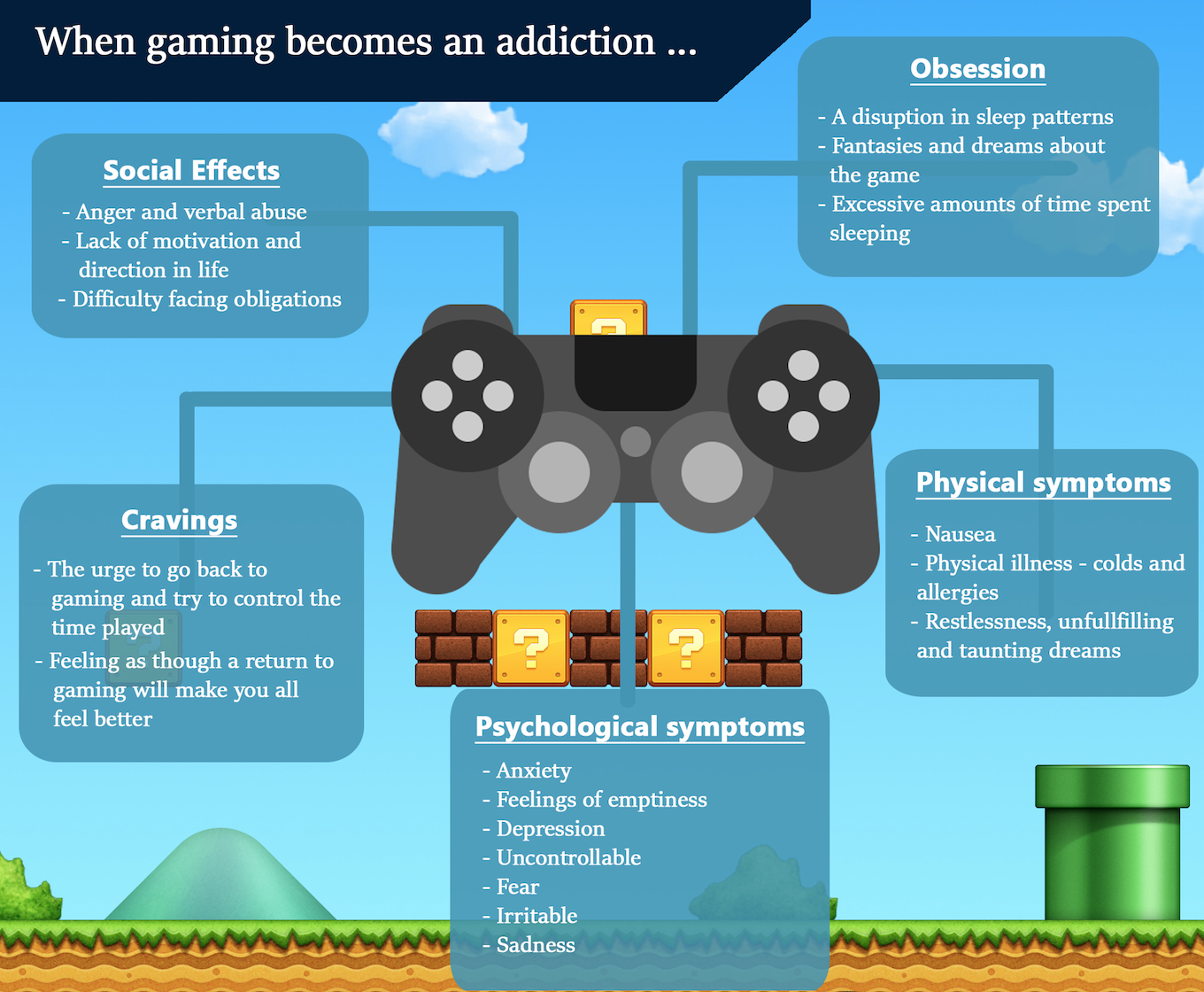
Recognizing the signs of problematic gaming is crucial for parents wondering how to stop teenagers gaming excessively. It is not just about time spent, but the impact gaming has on other areas of their life. Key indicators include a significant decline in academic performance, persistent fatigue or changes in sleep patterns, neglecting personal hygiene, withdrawal from family activities or real-world friends, and showing irritability or anger when unable to play. You might also notice a loss of interest in previously enjoyed hobbies or a heightened secretive behavior around their gaming activities. Observing a combination of these changes over time suggests a deeper issue than just casual play, requiring a thoughtful approach to intervention.
When gaming starts to displace essential activities like school, sleep, and social interactions outside the game, it becomes a concern. Be mindful of emotional responses; if your teen becomes aggressive or highly defensive when their gaming is questioned or interrupted, this is a red flag. Pay attention to their physical health too, such as headaches, eye strain, or poor posture from prolonged sessions. These signs aren't about judging the game itself but understanding its impact on your teenager's overall well-being and development. Early recognition allows for proactive, supportive intervention rather than reactive conflict.
How can parents effectively communicate with their teens about gaming habits?
Effective communication is paramount when addressing how to stop teenagers gaming excessively. Start by choosing a calm, non-confrontational moment to talk, avoiding lectures or accusations. Frame the conversation around your concerns for their well-being, not as an attack on their hobby. Acknowledge that you understand gaming is fun and social, perhaps even sharing your own experiences with balancing leisure. Express specific observations without judgment, for example, instead of saying “You game too much,” try “I’ve noticed you’ve been staying up very late gaming, and I’m concerned about your sleep.”
Listen actively to their perspective. Ask open-ended questions like “What do you enjoy most about this game?” or “What do you feel you get from gaming?” This helps you understand the underlying needs gaming fulfills for them, whether it’s social connection on Discord, skill development in esports, or simply stress relief. Once you understand their motivation, you can work together to find solutions and compromises. Collaborative problem-solving, where teens feel heard and involved in setting limits, is far more effective than unilateral decisions imposed by parents. Focus on creating a family media plan together, setting clear expectations for everyone.
What are practical strategies for setting healthy gaming boundaries and limits?
Setting healthy boundaries is a cornerstone of learning how to stop teenagers gaming problematically. Begin by establishing clear, consistent rules for gaming time, much like you would for homework or chores. This could involve specific hours of the day, daily time limits (e.g., 2 hours on weekdays, 3-4 hours on weekends), or even designated
Understanding teen gaming appeal, Effective communication strategies, Setting healthy boundaries, Encouraging alternative activities, Recognizing signs of problematic gaming, Seeking professional help, Fostering balance not banning, Leveraging current gaming trends for discussion, Developing family media plans.
35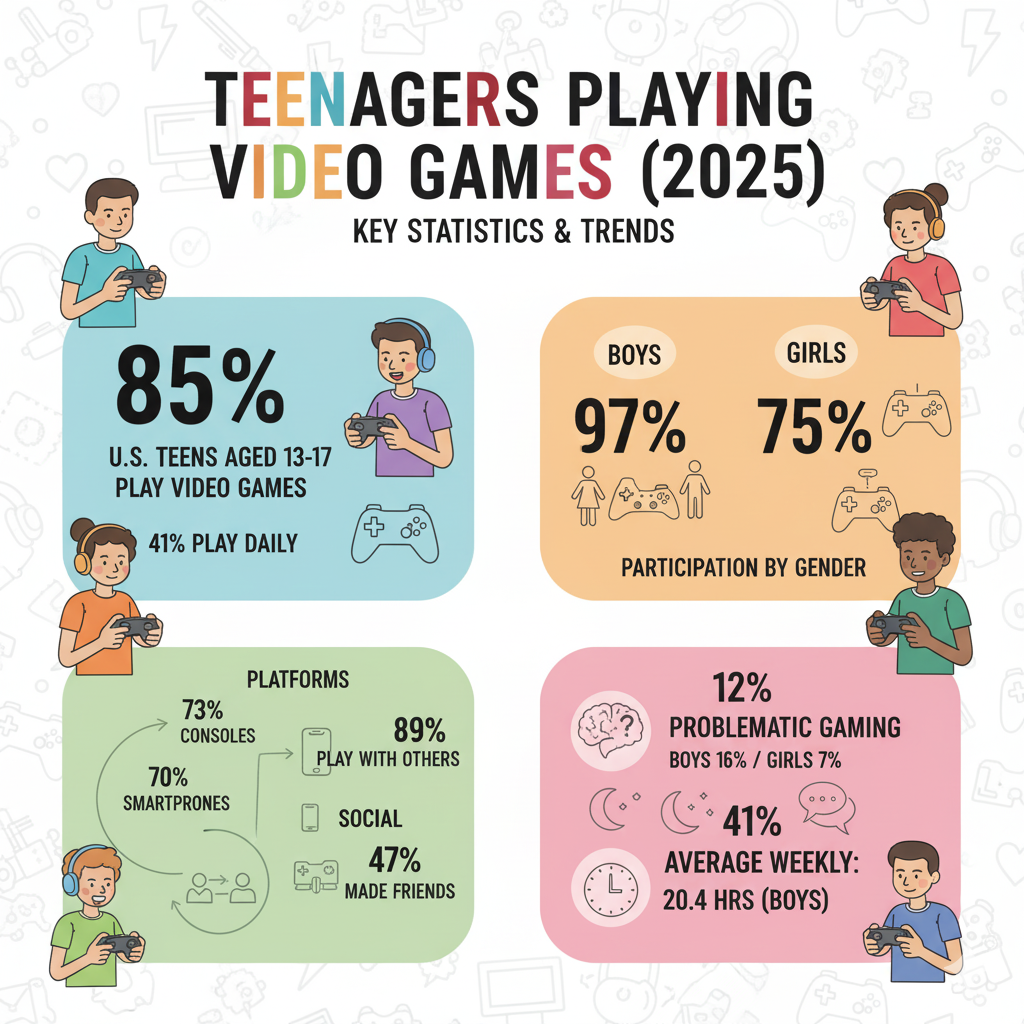


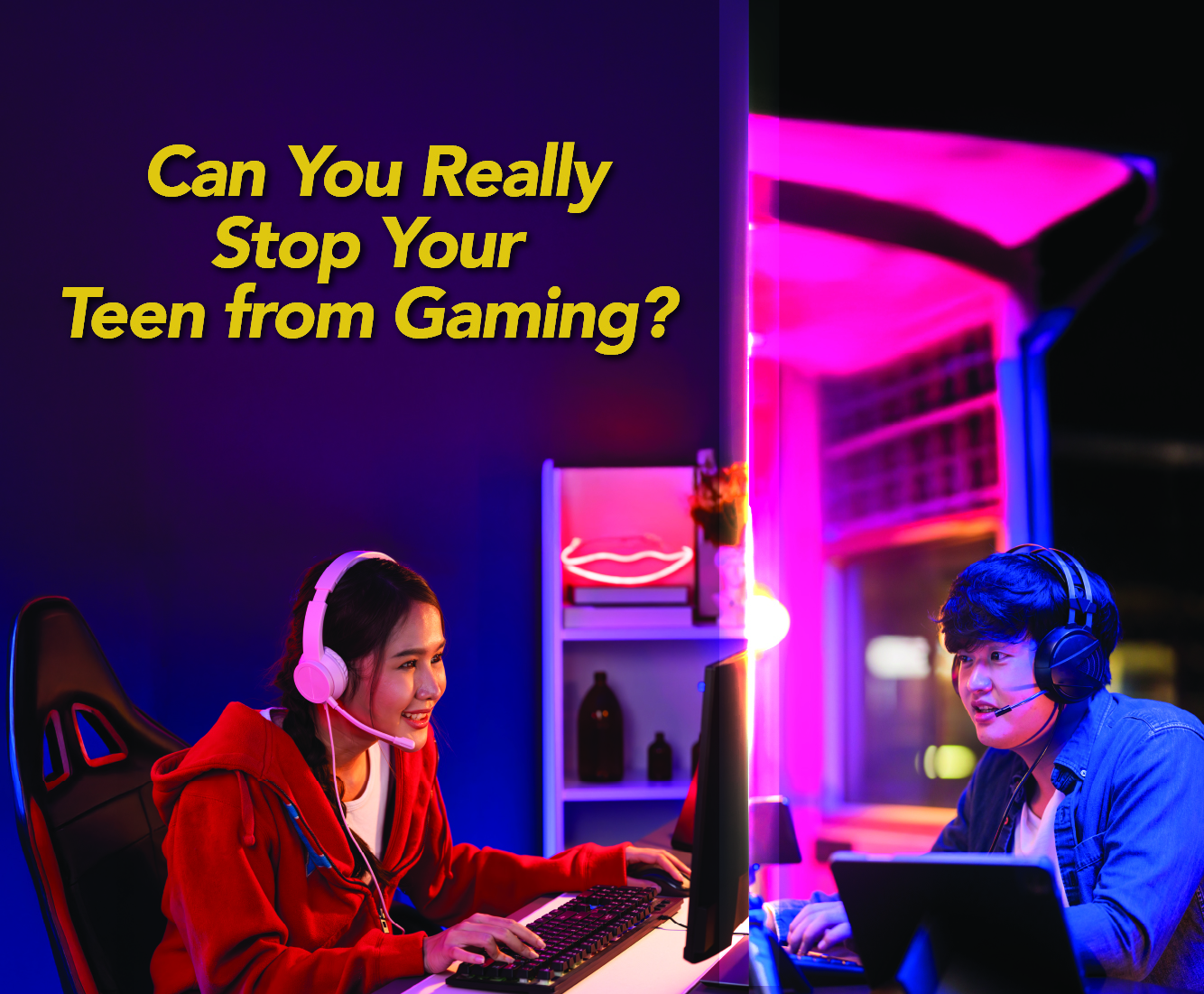

Teenagers Playing Video Games 2026 Teenagers Playing Video Games . Teenagers Playing Video Games Statistics And Trends For 2026 Icon Teenagers Playing Video Games Statistics And Trends For 2026 . Teenagers Playing Video Games Statistics 2026 Teenagers Playing Video Games Statistics 2026 1 . Can You Really Stop Your Teen From Gaming MY 2512 W2 Teens Article Thumbnail . Teenagers Playing Video Games 2025 Teenagers Playing Video Games 2025
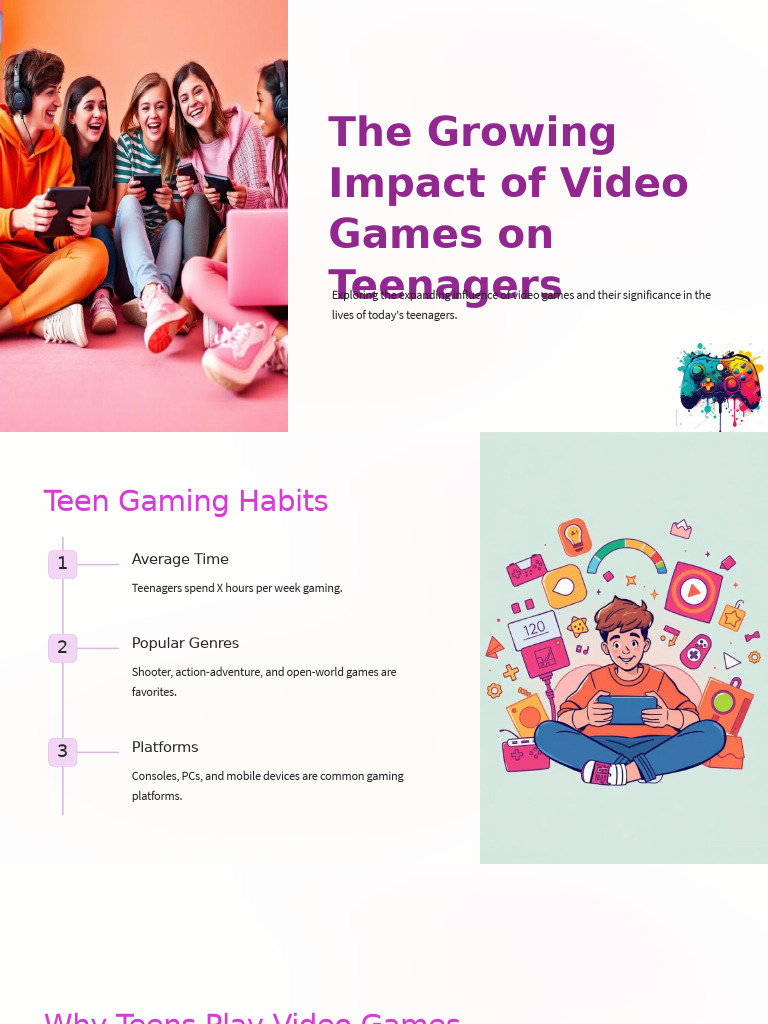


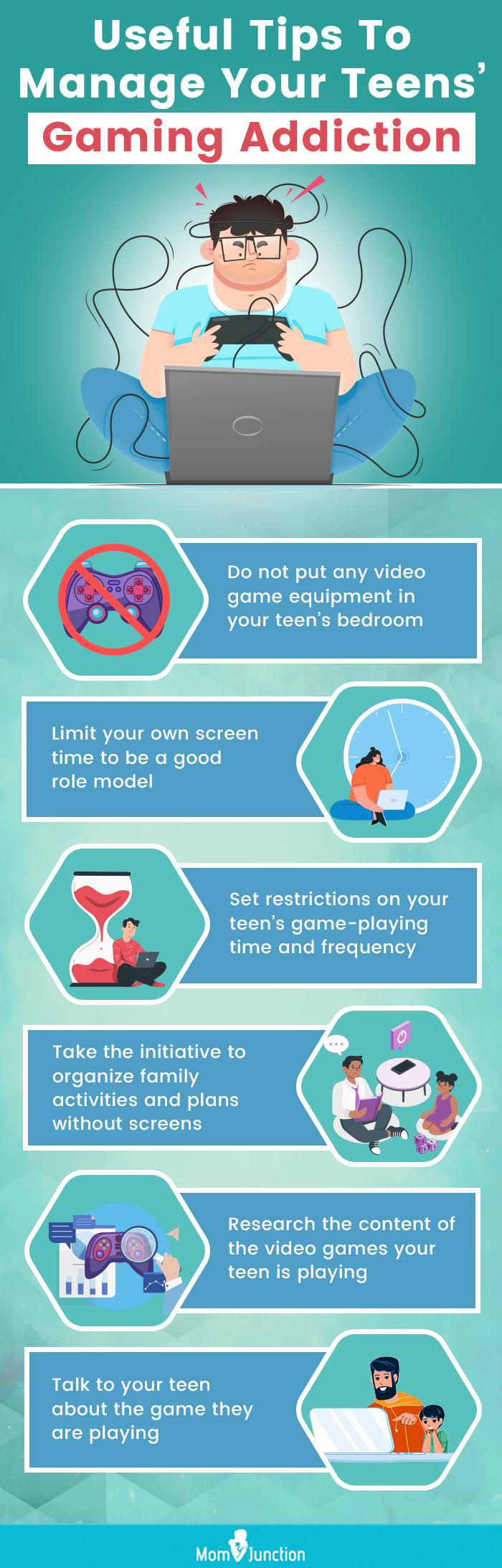
The Growing Impact Of Video Games On Teenagers PDF Adolescence 1. How To Prevent Gaming Addiction In Kids Two Proven Strategies YouTube . Keeping Teens Safe When Gaming Online Keeping Kids Safe While Gaming Final . Positive And Negative Effects Of Video Games On Teenagers Useful Tips To Manage Your Teens Gaming Addiction . 7 Tips To Prevent Gaming Addiction In Young Children Prevent Gaming Addiction In Young Children 1.webp



Overcoming Teenage Addiction To Video Games And Online Activities Overcoming Teenage Addiction To Video Games And Online Activities 768x480 . Is Gaming Ruining My Teen How To Reconnect With Your Gamer Screen . Getting Help For Teen Gaming Addiction 240f4012 55c2 4763 91ab. Gaming Protecting Our Teens From Gaming Addiction It S Time To Take Media. How To Tell If Your Teen S Gaming Has Become A Problem NaturalNews How To Tell If Your Teens Gaming Has Become A
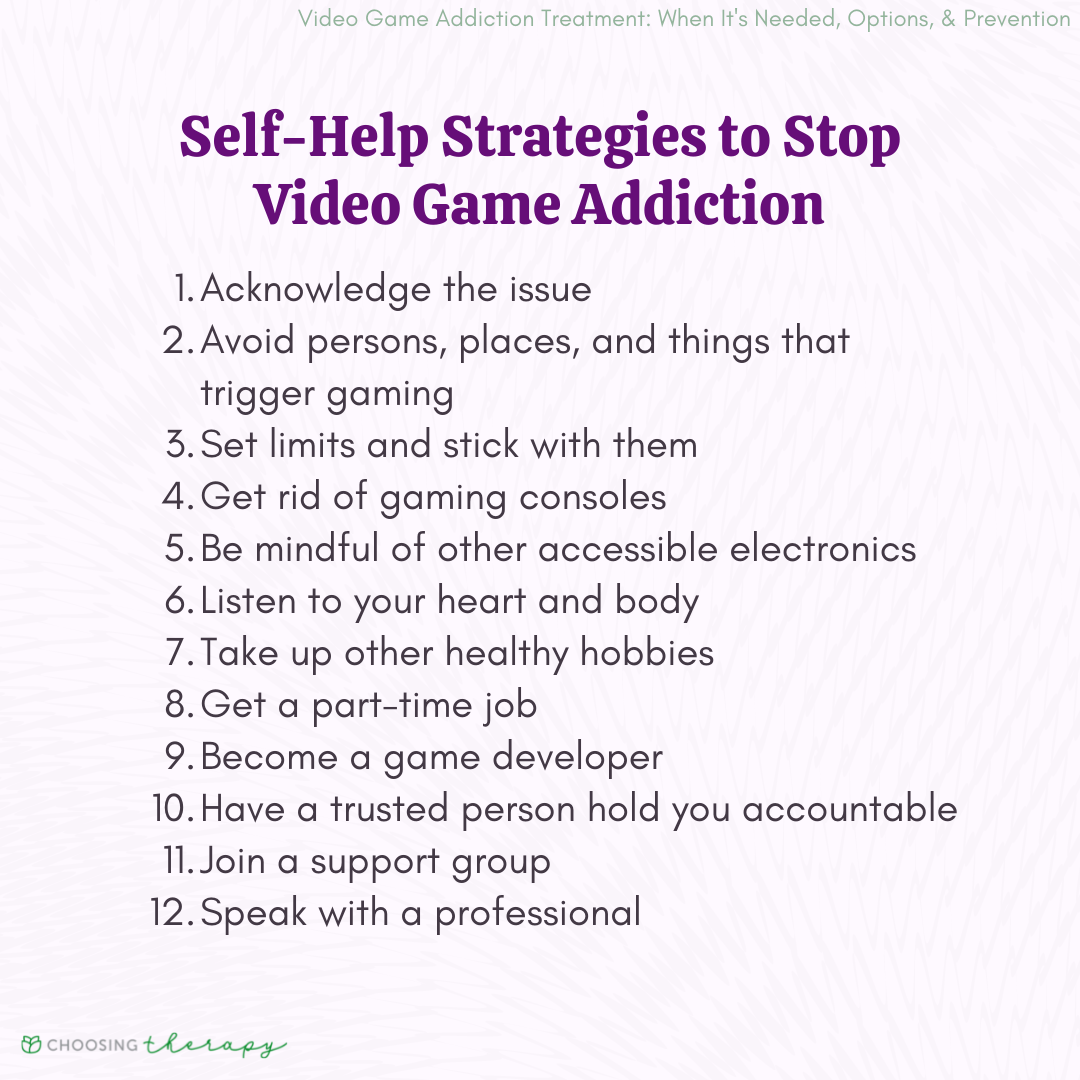
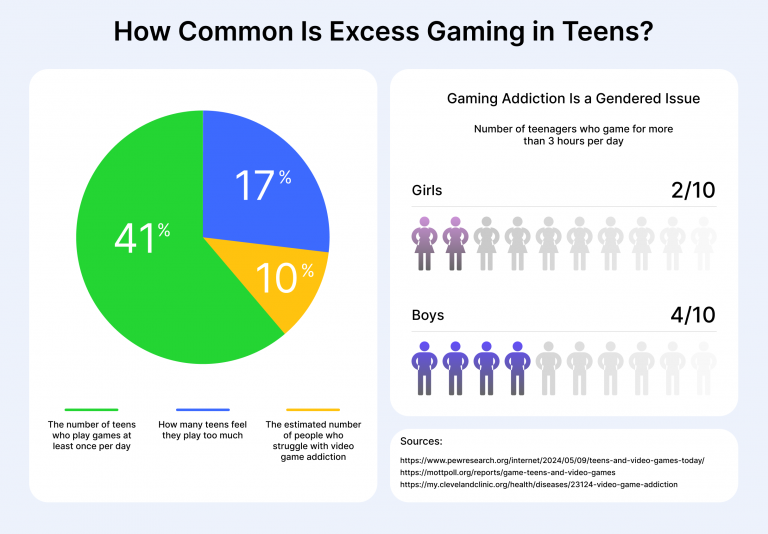

How To Get Treatment For Videogame Addiction 5 10 . The Impact Of Online Gaming On The Mental Health Of Teenagers How Common Is Excess Gaming In Teens 768x534 . How To Stop Kids From Online Gaming Addiction Parenting Tips For 2025 . Teen Gaming Risks Mental Health Clearfork Academy Teen Gaming Risks Exposed How To Protect Your Childs Mental Health.webp. The Impact Of Gaming On Teenagers Mental Health Health Centre NZ 1280



Parental Controls For Gaming A Practical Guide For Parents In 2026 Copy Of Chitti Blog Thumbnail 2026 01 . Free Teens Playing Video Games Image Teenagers Gaming Loft Teens Playing Videogames Stockcake . Top 10 Most Anticipated Games Of 2026 What To Watch Out For TVN GAMES IN 2026 . The Young Teenagers Who Can T Stop Gaming And A Bold New Program . The Rise Of Online Gaming And Its Effects On Teenagers Technology The Rise Of Online Gaming And Its Effects On Teenagers


.png)
10 Warning Signs Your Child Is Addicted To Gaming And What You Can Do. 4 Ways To Get Your Child To Stop Playing Video Games WikiHow Life Aid124794 V4 728px Get Your Child To Stop Playing Video Games Step 2 Version 3 . 4 Ways To Get Your Child To Stop Playing Video Games WikiHow Life V4 460px Get Your Child To Stop Playing Video Games Step 4 Version 3 . How To Help Your Teenager Overcome Video Game Addiction Healthy Gamer . How To Encourage A Tween Boy To Stop Gaming Get Outside How To Encourage A Tween Boy To Stop Gaming Get Outside (2)


How To Get Your Child To Stop Playing Video Games In 5 Easy Steps How To Get Your Child To Stop Playing Video Games . Teen Gaming Addiction Signs And Help NA Website Resources Image Video Gaming 1386x640 1 . PPT Teens And Gaming Addiction PowerPoint Free Download T Ee N S A N D G A M I N G A Dd I C T I O N N . Expert Strategies For Managing Teen Gaming Habits 22d071 0fe4 2f3f 00 Ee7bbf43 958f 462e 9933 . Video Game Addiction Plagues Teens The Evanstonian Video Game Addiction Infographic